Helmholtz’s dissertation on the nervous system: A forgotten early contribution to neuroscience
Just recently, I had the opportunity to attend a talk by Helmut Kettenmannꜛ on microglia at our institute. Kettenmann is a renowned neuroscientist, known for his pioneering work on glial cells, particularly microglia. The talk itself was excellent, and I learned a lot about microglial biology and current research in the field. However, what really impressed me was something he mentioned almost in passing during his introduction. He referred to the doctoral dissertation of Hermann von Helmholtz from 1842, which he had recently helped translate from Latin into English. To my surprise, I learned that Helmholtz’s dissertation was not about physics, as I would have expected, but about: biology. More precisely: About cell biology and the nervous system.
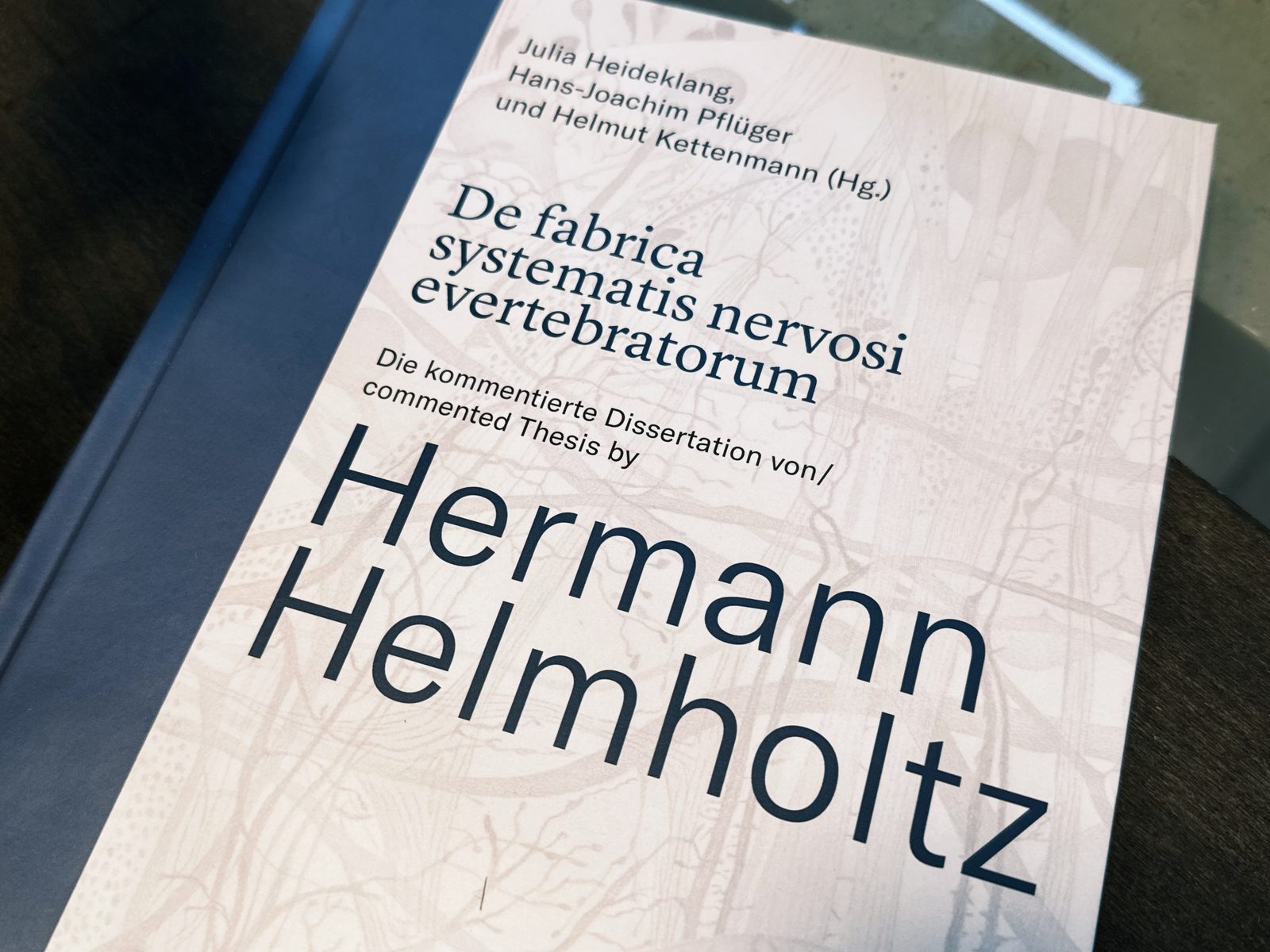
My personal hard copy of De fabrica systematis nervosi evertebratorum. Die kommentierte Dissertation von Hermann Helmholtz. The book contains the original Latin text, a German translation, an English translation, and extensive commentary by Julia Heideklang, Hans-Joachim Pflüger, and Helmut Kettenmann. The fact that Helmholtz’s dissertation dealt with the nervous system was quite surprising to me, since I had always associated him with physics and mathematics.
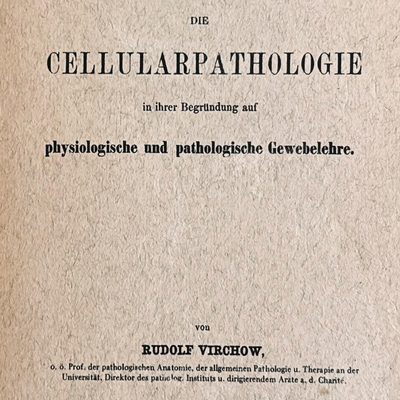
And if this was not surprising enough, Kettenmann made a further remark that was even more striking: Helmholtz’s dissertation was an anatomical study of invertebrate nervous systems, written at a time when the basic conceptual distinction between neurons and glial cells did not yet exist. In other words, Helmholtz investigated the structure of the nervous system without the conceptual framework that we now take for granted. This is remarkable, since the distinction between neurons and glia was introduced only later by Rudolf Virchow in 1856/1858. Helmholtz was therefore working in a conceptual landscape that was still largely undefined, and yet he was already engaging with the cellular organization of nervous tissue.
Thanks to the work of Helmut Kettenmann and his two colleagues, this early scientific text is now accessible again. The translation is freely available onlineꜛ, and I could not resist buying a hard copy of the book to hold in my hands and read through it. In this post, I would therefore like to share some impressions and insights from reading the dissertation, and to reflect on its significance, not as a historical curiosity, but as an early contribution to neuroscience that has largely been forgotten.
Helmholtz: Biography and what we usually know about him
Hermann von Helmholtz (1821–1894) is primarily known as one of the central figures of 19th century physics. For physicists, his name is associated with a range of foundational results across electrodynamics, thermodynamics, and mathematical physics.
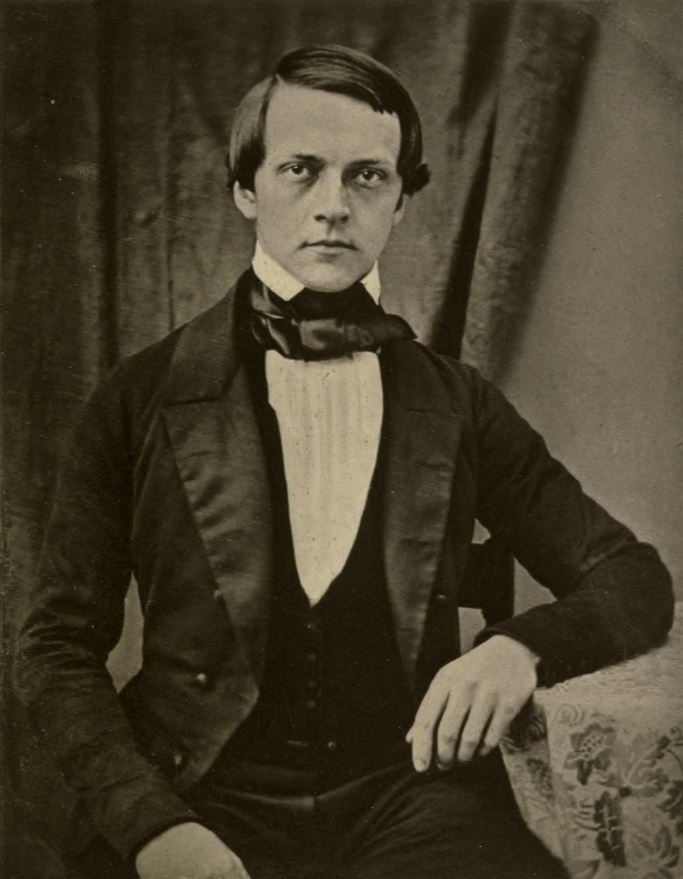
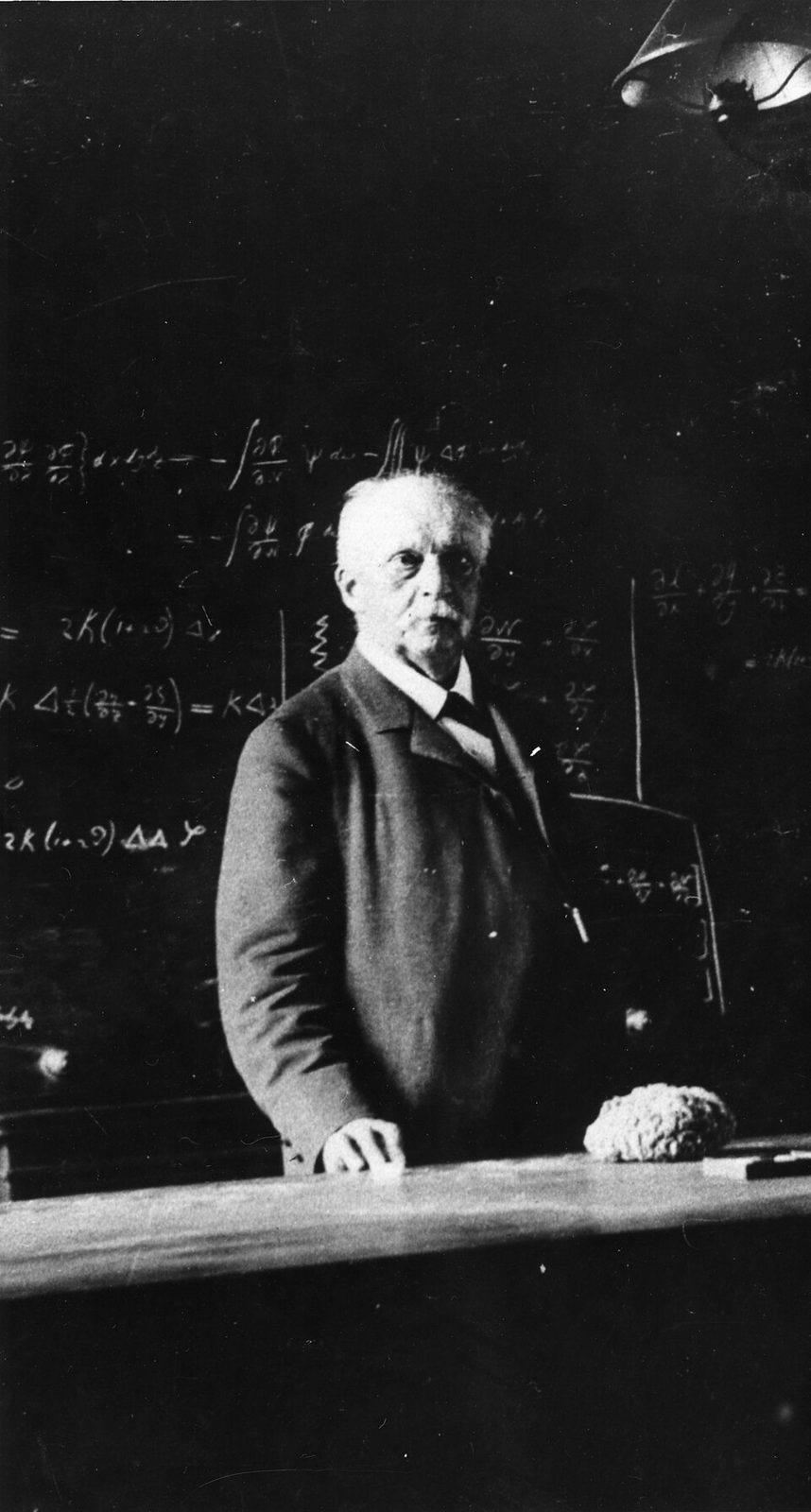
Left: Hermann von Helmholtz in 1848. Source: Wikimedia Commonsꜛ (license: public domain). Right: Last photograph of von Helmholtz, taken three days before his final illness. Source: Wikimedia Commonsꜛ (license: CC0 1.0 Universal Public Domain Dedication). Helmholtz is widely regarded as one of the greatest physicists of the 19th century, and his contributions to physics are foundational. However, his early work on the nervous system is not commonly known and is often overlooked in standard accounts of his scientific career. This is partly because his dissertation was written in Latin and therefore remained largely inaccessible for a long time, but it also reflects a broader tendency in the history of science to reduce scientists to only one part of their intellectual work in my view.
One of the most familiar formulations associated with Helmholtz is the Helmholtz decomposition theorem (in German often just referred to as the Helmholtz theorem). Let’s briefly recall what this is about. In vector calculus, the theorem states that any sufficiently smooth vector field can be decomposed into a divergence-free (solenoidal) part and a curl-free (irrotational) part. Mathematically, for a vector field $\mathbf{F}(\mathbf{x})$ that vanishes at infinity, we can write:
\[\begin{align} \mathbf{F} &= -\nabla \phi + \nabla \times \mathbf{A} \end{align}\]Here, $\phi$ is a scalar potential and $\mathbf{A}$ a vector potential. Physically, this means that any field can be separated into a component that originates from sources or sinks and a component that describes rotational or circulating structures. This decomposition underlies much of classical electrodynamics and fluid dynamics, where electric, magnetic, or velocity fields are naturally described in terms of potentials.
Closely related is the Helmholtz equation, which appears throughout wave physics:
\[\begin{align} \nabla^2 \psi + k^2 \psi &= 0 \end{align}\]Here, $\psi$ describes a spatial wave field, such as a sound pressure distribution, an electromagnetic field amplitude, or a quantum mechanical wavefunction. The Laplacian $\nabla^2$ captures how the field changes spatially, while the parameter $k$ is the wave number, related to the wavelength $\lambda$ by
\[\begin{align} k &= \frac{2\pi}{\lambda} \end{align}\]The Helmholtz equation emerges when oscillatory systems are studied in the frequency domain. Instead of describing how a wave evolves in time, it describes the spatial structure of standing or propagating waves at a fixed frequency. Solutions therefore represent spatial wave patterns and resonant modes. The equation appears in acoustics, optics, electrodynamics, and quantum mechanics, but also in plasma physics and space physics, where wave-like disturbances propagate through magnetized plasmas. Plasma waves in the solar wind, magnetospheric oscillations, and electromagnetic wave propagation in ionized media can all lead, under suitable approximations, to Helmholtz-type equations.
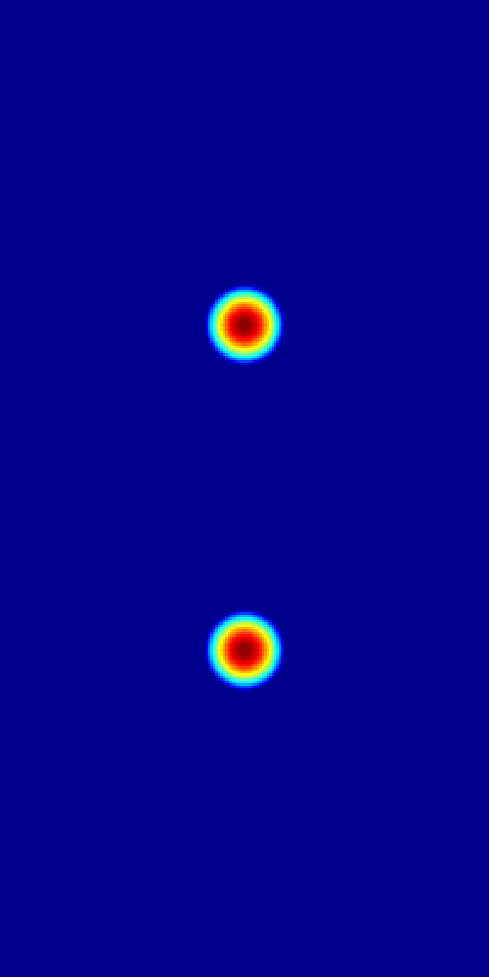
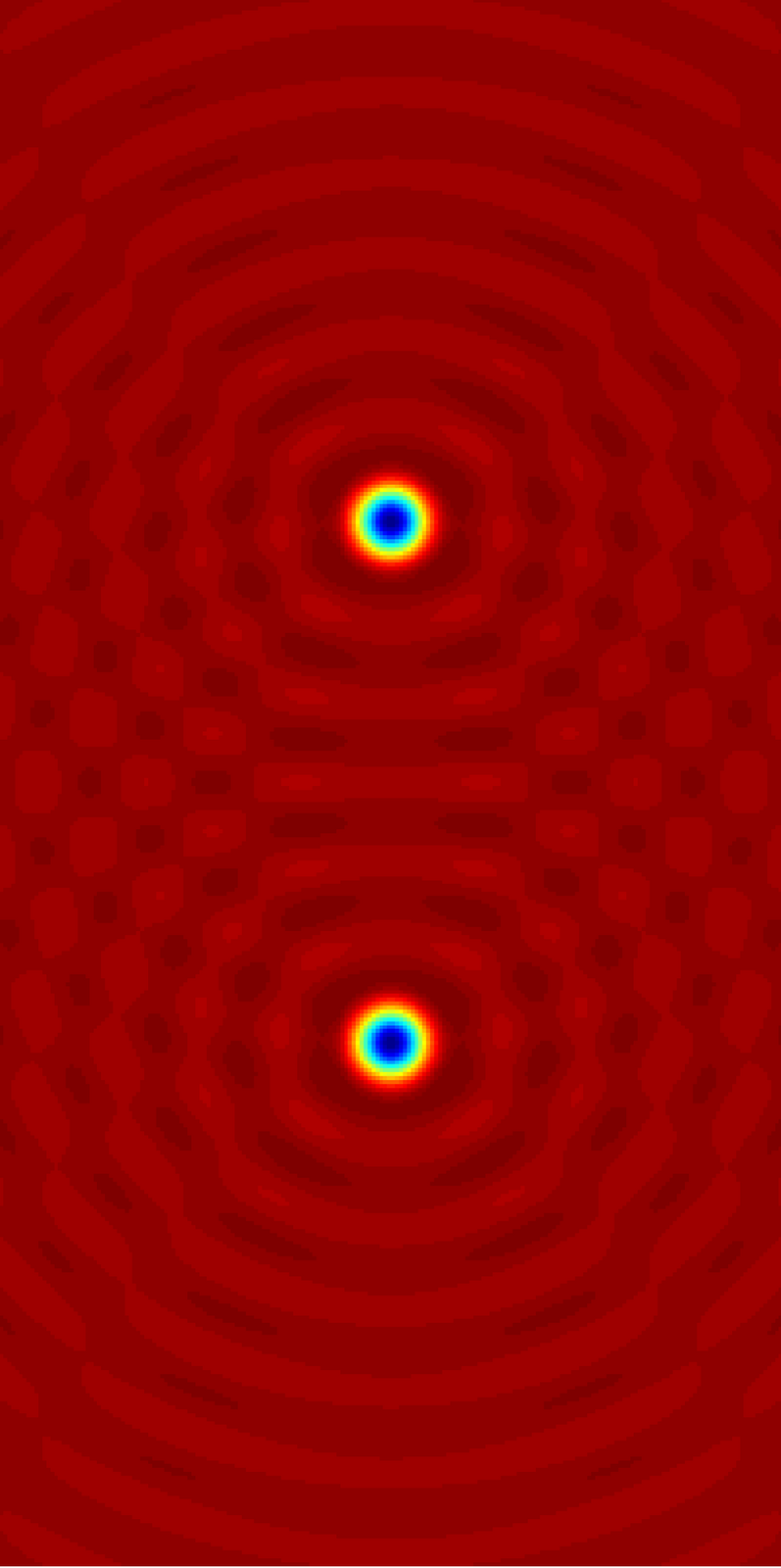
Left: Two sources of radiation in the plane, represented mathematically by a source function $f$, which vanishes in the blue region. Right: The real part of the resulting field $A$. Here, $A$ is the solution of the inhomogeneous Helmholtz equation $(\nabla^2 + k^2)A = -f$. Source: Wikimedia Commonsꜛ and Wikimedia Commonsꜛ (license: public domain). The Helmholtz equation describes how localized sources generate spatial wave fields and interference patterns. Such equations form part of the mathematical foundation of modern wave physics.
Helmholtz’s scientific work, however, extended far beyond vector calculus and wave theory. He also formulated the principle of conservation of energy in a modern quantitative framework, thereby contributing to the unification of mechanics, heat theory, and electromagnetism. At the same time, he remained deeply connected to physiology and medicine throughout his career. In experimental physiology, for example, he famously measured the finite speed of nerve conduction, thereby refuting the older assumption that neural signaling occurred instantaneously. This finding is already remarkable for itself, as at his time, the experiments by Hodgkin and Huxley that would later provide a detailed mechanistic explanation of nerve conduction were still decades away. But it also illustrates how Helmholtz’s scientific interests spanned both physics and physiology, and how he applied rigorous quantitative methods to the study of biological systems.
So, Helmholtz did not simply move from medicine into physics and leave biology behind. Rather, he approached biological systems with the same quantitative and mechanistic mindset that characterized his physical work. In many ways, he helped establish the broader 19th century idea that physiological processes could be investigated with the tools and methods of physics.
From a physicist’s perspective, Helmholtz is therefore a unifying figure who connects field theory, wave physics, thermodynamics, and physiology. The idea that this same person began his scientific career with a detailed anatomical study of invertebrate nervous systems is therefore unexpected at first glance, but perhaps also strangely fitting.
Helmholtz’s dissertation
Helmholtz’s 1842 dissertation, De fabrica systematis nervosi evertebratorum, is situated in a specific scientific context. At that time, microscopy had only recently reached a level that allowed the visualization of cellular structures. Christian Ehrenberg (1795-1876)ꜛ had published the first images of neuronsꜛ (Ehrenberg (1832, 1836); Chvátal (2015)ꜛ), including ganglia of the leech, and the emerging cell theory of Schleidenꜛ and Schwannꜛ proposed that all tissues are composed of cells in 1838/1839 (Schwann (1838); Schwann (1839)).
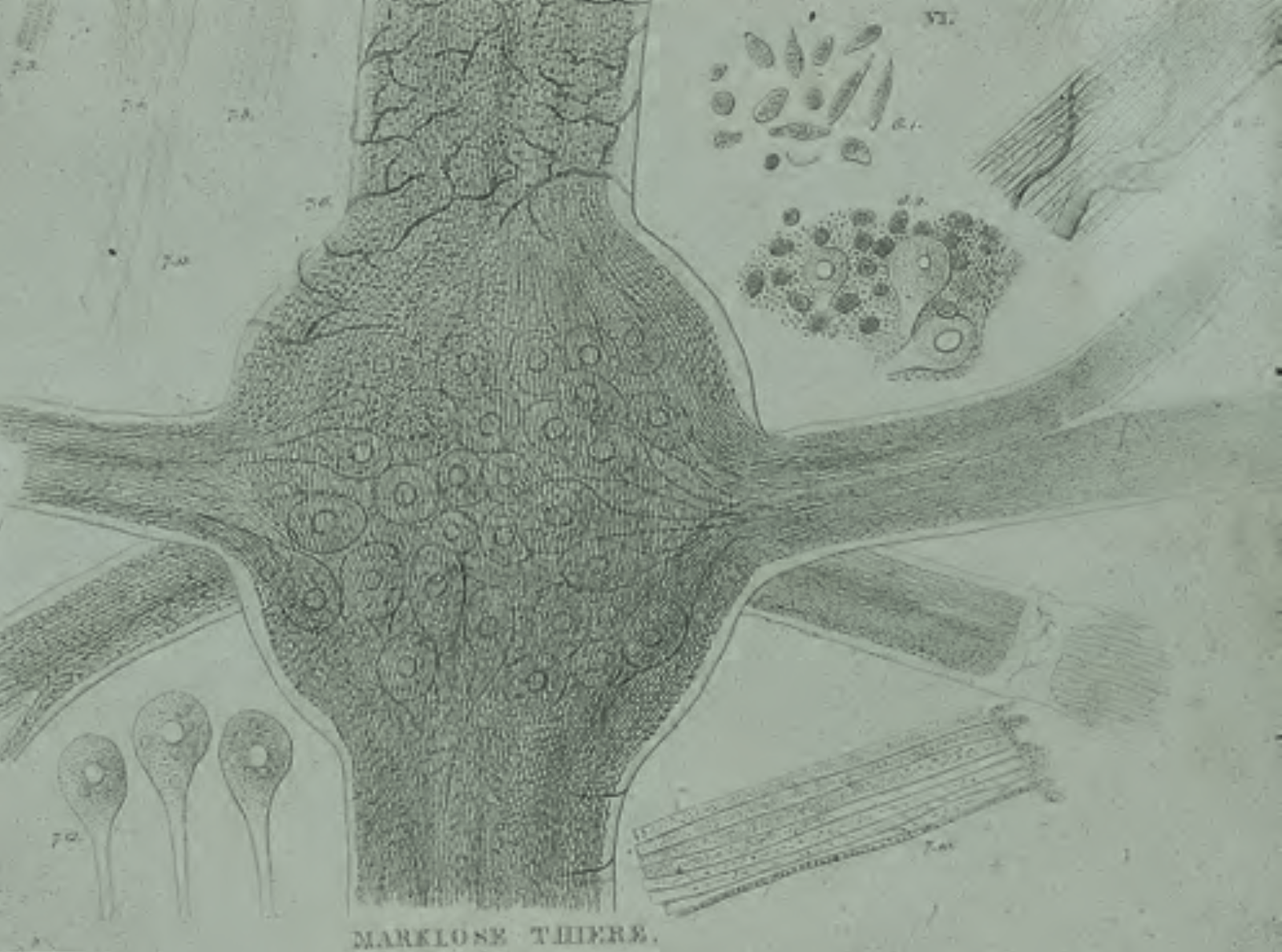
First image of a neuron: A drawing of the leech ganglion by Christian Ehrenberg (1836). Individual magnified neurons are displayed on the left. Source: Julia Heideklang, H.-J. Pflüger, Helmut Kettenmann, De fabrica systematis nervosi evertebratorum. Die kommentierte Dissertation von Hermann Helmholtz, 2021, page 10, (license: CC BY-SA 4.0).
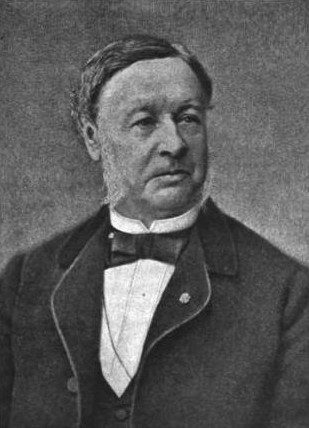
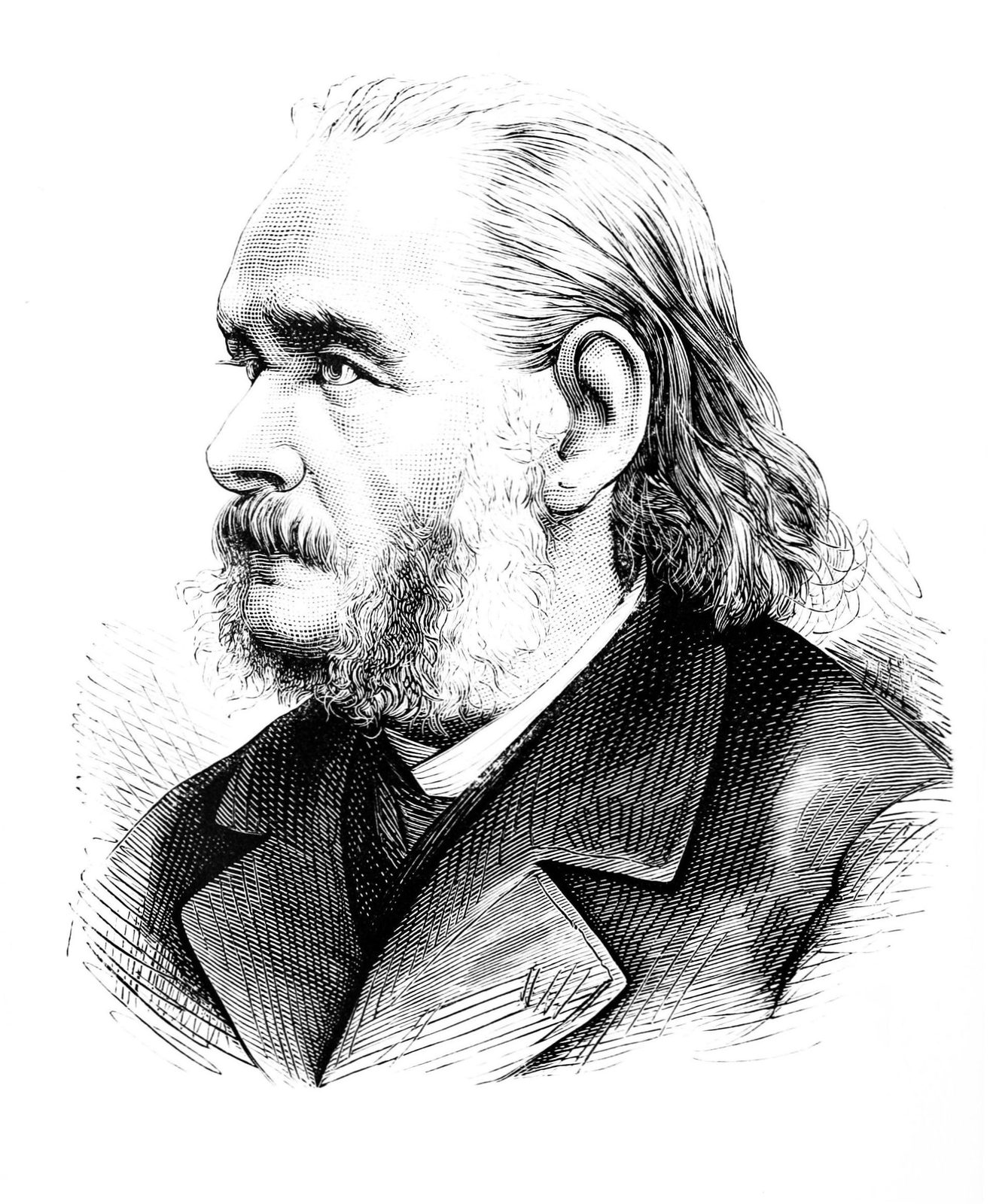
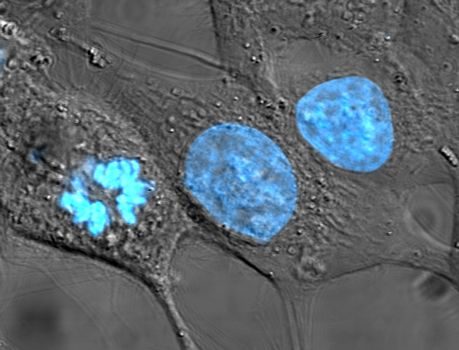
Top Left: Theodore Schwann (1810-1882); from The Story of Nineteenth-Century Science, page 377, 1904, by Henry Smith Williams. Source: Wikimedia Commonsꜛ (license: public domain). Top Right: Matthias Schleiden (1804-1881), between 1882 and 1883. Source: Wikimedia Commonsꜛ (license: public domain). Bottom: Human cancer cells with nuclei (specifically the DNA) stained blue. The central and rightmost cell are in interphase, so the entire nuclei are labeled. The cell on the left is going through mitosis and its DNA has condensed. Source: Wikimedia Commonsꜛ (license: public domain). – Schwann and Schleiden are credited with the formulation of the cell theory, which posits that all living organisms are composed of cells. This was a foundational concept in biology, and it set the stage for later investigations into the cellular structure of tissues, including the nervous system. Helmholtz’s dissertation can be seen as an early attempt to apply these emerging ideas to the study of nervous tissue in invertebrates.
However, while vertebrate nervous systems had begun to be described, a systematic investigation of invertebrate nervous systems was largely missing. Helmholtz’s supervisor, Johannes Müllerꜛ, assigned precisely this problem to the young medical student: To determine whether the structural principles of nervous systems are conserved across species.
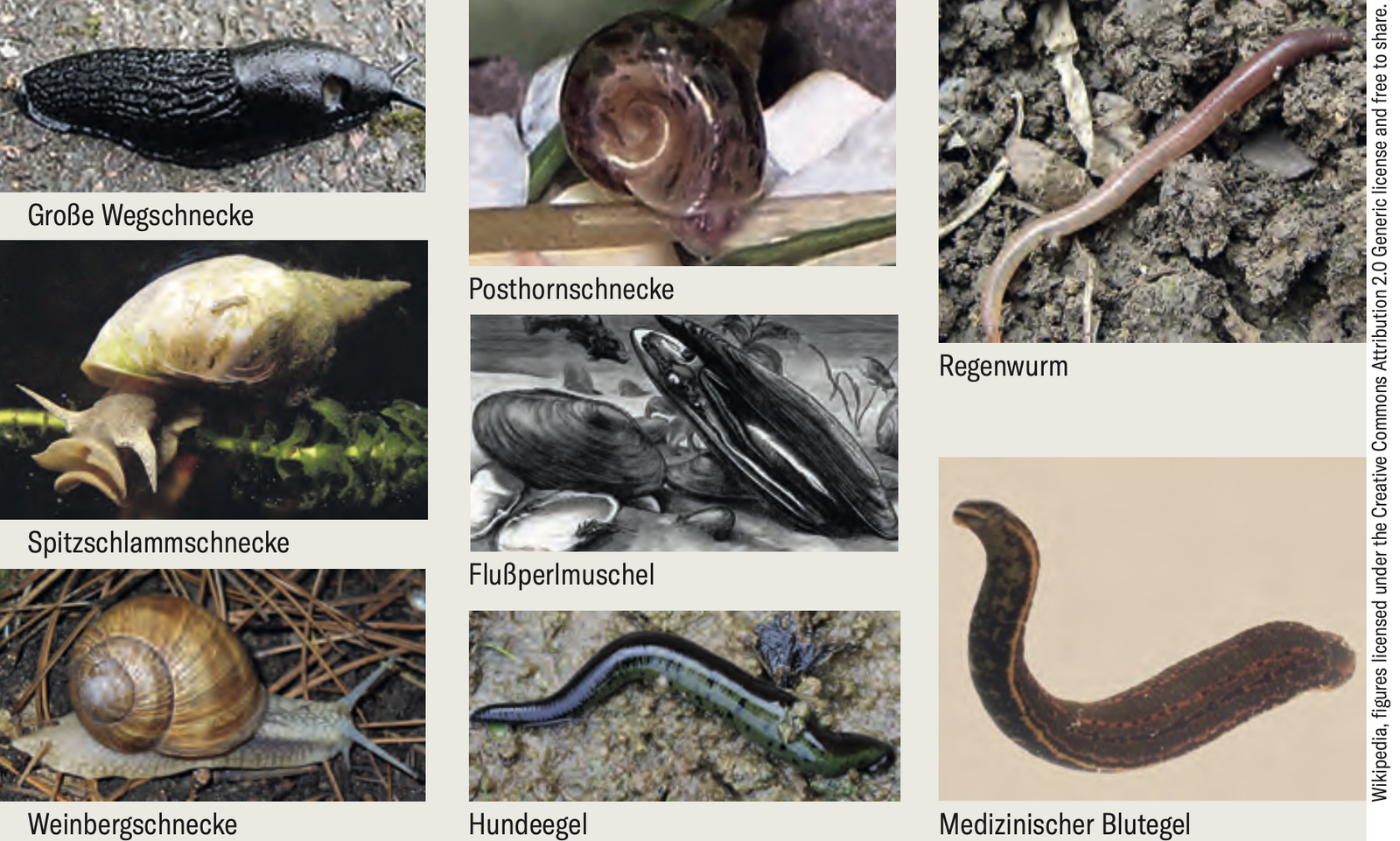
Experimental animals used by Helmholtz in his dissertation: Giant slug (Arion empiricorum; today: Arion ater), Great pond snail (Limnaea stagnalis), Burgundy snail (Helix pomatia), Great ramshorn snail (Planorbis corneus; today: Planorbarius corneus), Freshwater pearl mussel (Unio margaritifera; today: Margaritifera margaritifera), Common leech (Hirudo vulgaris), Earthworm (Lumbricus terrestris), Medicinal leech (Hirudo medicinalis). Source: Julia Heideklang, H.-J. Pflüger, Helmut Kettenmann, De fabrica systematis nervosi evertebratorum. Die kommentierte Dissertation von Hermann Helmholtz, 2021, page 14, (license: CC BY-SA 4.0).
Helmholtz approached this question through comparative anatomical analysis of a range of invertebrates, including leeches, worms, crustaceans, and insects. His method was fundamentally microscopic dissection and observation. For example, he describes how a nerve or nerve cord, taken from a living animal and mechanically separated on a glass plate, reveals individual nerve fibers under appropriate preparation. Similarly, by dissecting ganglia, he identifies cellular structures, including what he describes as “caudate cells”, that is, cell bodies with extensions.
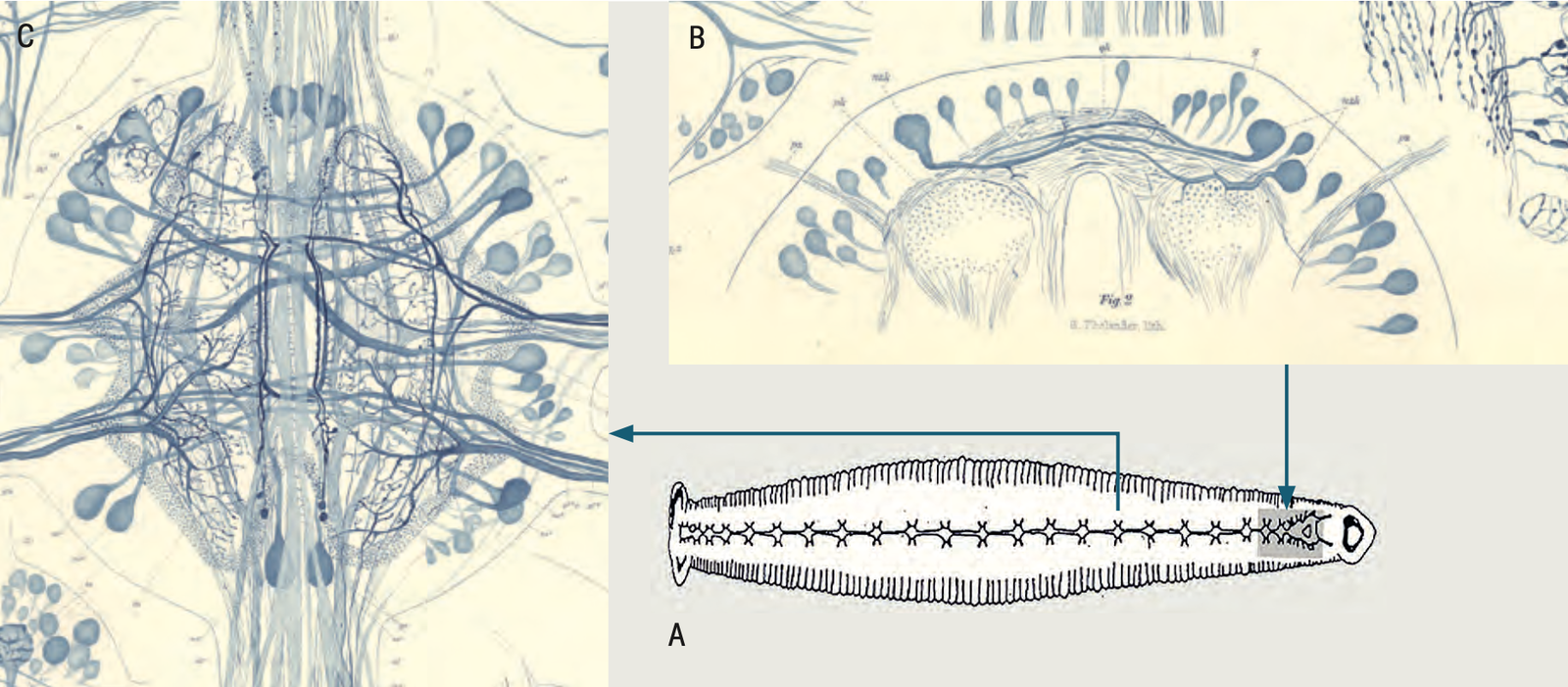
Nervous system of the Medicinal leech. (A) Scheme of the nervous system; (B) Upper part of the supraesophageal
ganglion (brain); (C) Fourth ganglion of the ventral nerve cord; Retzius 1891. Helmholtz describes the nervous system of the leech in detail, identifying nerve cords, ganglia, and cellular structures. This figure from Retzius (1891) illustrates the organization of the leech nervous system, which Helmholtz would have studied in his dissertation. Source: Julia Heideklang, H.-J. Pflüger, Helmut Kettenmann, De fabrica systematis nervosi evertebratorum. Die kommentierte Dissertation von Hermann Helmholtz, 2021, page 19, (license: CC BY-SA 4.0).
Thus, Helmholtz is effectively describing neurons as entities consisting of a cell body and processes, without yet having the conceptual framework of the neuron doctrine (the principle that the nervous system consists of distinct individual neurons rather than a continuous network). The terminology is not modern, but the observational content clearly anticipates it.
A central structural motif in his analysis is the organization of nerve cords and ganglia. He identifies longitudinal nerve cords connected by ganglia and observes that these ganglia contain lobed structures receiving nerve fibers from the cords. He further describes plexus-like arrangements, where multiple nerve branches interconnect and exchange fibers, in a manner analogous to plexuses in vertebrates.
One of the most significant conceptual conclusions of the dissertation is the assertion of structural homology between invertebrate and vertebrate nervous systems. Helmholtz argues that, despite differences in overall organization, the fundamental elements are the same. Nerve fibers, cellular bodies, and their interconnections follow a common structural plan across species. This is explicitly reflected in his comparison of branching patterns in invertebrate nerve plexuses to those found in vertebrates, where each branch carries fibers corresponding to those entering and leaving connected structures.
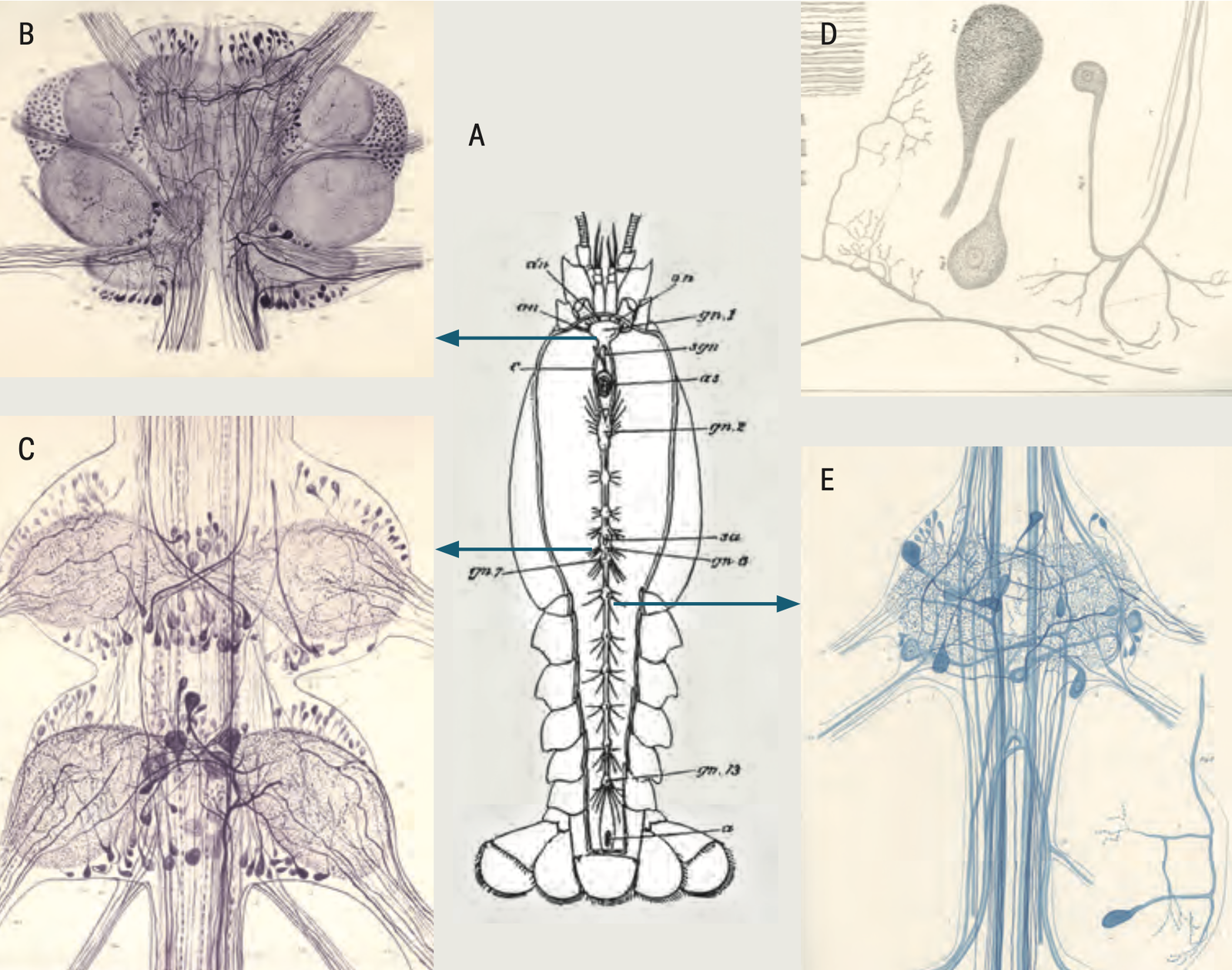
Nervous system of the crayfish after Huxley (1880): (A) Scheme of the nervous system (Retzius 1890), (B) Supraesophageal ganglion (brain), (Retzius 1890), (C) Third thoracic ganglion (Retzius 1890), (D) Individual nerve cells (Retzius 1890), (E) First abdominal ganglion (Retzius 1890). Helmholtz argues in his dissertation that the structural organization of the nervous system in invertebrates, such as the crayfish, shares fundamental features with vertebrate nervous systems: Nerve fibers, ganglia, and plexus-like arrangements are common motifs that reflect a shared structural plan. Source: Julia Heideklang, H.-J. Pflüger, Helmut Kettenmann, De fabrica systematis nervosi evertebratorum. Die kommentierte Dissertation von Hermann Helmholtz, 2021, page 21, (license: CC BY-SA 4.0).
In modern terms, this can be interpreted as an early formulation of a unifying principle of nervous system organization: That neural circuits are constructed from recurring cellular and connective motifs, independent of the organism. This is not yet an evolutionary argument in the Darwinian sense, but it is clearly a structural generalization across species.
Another important aspect is actually methodological. Helmholtz relies on careful mechanical dissection, microscopy, and comparative reasoning. There is no electrophysiology, no staining techniques in the modern sense, and no formal theory of synaptic connectivity. Yet, within these constraints, he identifies consistent structural patterns and interprets them in a general framework.
It is also crucial to emphasize what is absent. As mentioned in the introduction, there is no distinction between neurons and glial cells, because this conceptual separation had not yet been introduced. The nervous system is treated as a collection of fibers and cellular elements without a clear functional differentiation between support and signaling components. This absence highlights how early Helmholtz’s work is situated within the development of neuroscience.
What also surprised me is the absence of any figures in the dissertation. The text in this new translation is entirely descriptive, both in the original Latin version and in the translation, and while it contains detailed descriptions of structures, there are no illustrations or diagrams. This is quite different from what we know from today’s scientific publications, where figures play a central role in conveying information. At the moment, I can’t rule out whether this was an editorial choice in the translation or whether the original dissertation also lacked figures. But either way, it emphasizes the textual and descriptive nature of scientific communication at that time. If you have already seen other scientific texts from the early 19th century, you might know that this was not uncommon. The detailed descriptions of concepts and observations were conveyed entirely through words, which is a significant difference from modern scientific writing.
Taken together, the dissertation can be understood as an early comparative neuroanatomical study that establishes three key points:
- First, nervous systems across different animal classes share a common structural basis.
- Second, these systems are composed of cellular elements and fibers that can be identified microscopically.
- Third, their organization into ganglia, cords, and plexuses follows systematic and reproducible patterns.
These insights, while not yet framed in the language of modern neuroscience, clearly anticipate later developments in the understanding of nervous system structure and organization. Helmholtz’s work can therefore be seen as a foundational contribution to the field, even if it has been largely overlooked in standard historical accounts.
Conclusion
What remains, after reading this dissertation in light of Helmholtz’s later work, is a certain sense of discontinuity that is, in fact, highly revealing. The figure who would later formalize energy conservation, develop mathematical frameworks for fields and waves, and shape theoretical physics, begins with meticulous anatomical observations of leeches and worms under a microscope.
From a modern perspective, this is not merely an anecdotal curiosity. It reflects a broader feature of 19th century science (and even in earlier times), where disciplinary boundaries were not yet rigidly established. The same individual could move from cell structure to electrodynamics without the conceptual friction that would exist today. Other famous figures such as Carl Friedrich Gauss, Michael Faraday, and James Clerk Maxwell also had similarly broad scientific interests that spanned multiple fields.
At the same time, the dissertation itself is more than a historical footnote. It contains a clear recognition of structural unity across nervous systems and an implicit cellular perspective that anticipates later developments. That this work was written in Latin and remained largely inaccessible for nearly two centuries may explain why it has not entered the standard narrative of neuroscience.
And Kettenmann’s remark on this work, in retrospect, points to something more general: The early history of neuroscience was less linear than our retrospective narratives often suggest. Ideas that now seem closely connected, such as cell theory, comparative neuroanatomy, glia, neurons, and physiological mechanism, did not emerge as one coherent program. They developed in fragments, in different disciplines, with different terminologies and different methods. Helmholtz’s early contribution to neuroscience was neither trivial nor naive. It was one such fragment. Revisiting it does not change the established milestones of neuroscience, but it does refine the picture. It shows that some of the core ideas about the cellular organization and comparative structure of nervous systems were already being articulated at a time when even the basic terminology had not yet been established.
Personally, this is also why I find Helmholtz’s scientific trajectory so interesting. I began in physics myself and later moved into neuroscience, although, of course, in a completely different historical and scientific context. For that reason, the trajectory from physical thinking to biological questions feels familiar, and reminds me that the border between physics and neuroscience is not as sharp as it sometimes appears. Helmholtz’s dissertation makes this visible in an unusually early and concrete form: The nervous system was already a place where anatomy, physiology, microscopy, and physical reasoning could meet.
As mentioned at the beginning, the new translation is sharedꜛ under a Creative Commons license and is freely available onlineꜛ. For anyone interested in the history of neuroscience, physiology, or 19th century science more broadly, it is well worth reading. Feel free to share your thoughts and insights in the comments below.
References and further reading
- Julia Heideklang, H.-J. Pflüger, Helmut Kettenmann, De fabrica systematis nervosi evertebratorum. Die kommentierte Dissertation von Hermann Helmholtz, 2021, Wbg Academic, ISBN: 9783534400942, online PDFꜛ, Websiteꜛ
- Chvátal, A., Discovering the Structure of Nerve Tissue: Part 1: From Marcello Malpighi to Christian Berres, 2015, Journal of the History of the Neurosciences, 24(3), 268–291. doi: 10.1080/0964704X.2014.977676ꜛ
- Ehrenberg, C. G., Über das neueste Mikroskop, von Pistor und Schiek in Berlin, gefertigt im Januar 1832, 1832, Ein Schreiben von Hrn. Ehrenberg an den Herausgeber, Januarheft 1832 der Analen der Physik, 188-192
- Ehrenberg, C. G., Abhandlung der Akademie: Beobachtung einer bisher unbekannren auffallenden Structur des Seelenorgans bei Menschen und Thieren, 1836, Berlin
- Schleiden, M., Beträge zur Phytogenesis, 1838, Archiv für Anatomie, Physiologie und wissenschaftliche Medicin, Weit et Comp. Berlin
- Schwann, T., Mikroskopische Untersuchungen über die Übereinstimmung in der Struktur und dem Wachstum der Thiere und Pflanzen, 1839, Sander’sche Buchhandlung, Berlin
- Rudolf Virchow, Die Cellularpathologie in ihrer Begründung auf physiologische und pathologische Gewebelehre: Zwanzig Vorlesungen, gehalten während der Monate Februar, März und April 1858 im pathologischen Institute zu Berlin, 1856, Verlag von August Hirschwald, Berlin
comments