#Physics
Physics is where my academic training originally began, and it continues to shape how I think about scientific problems today. It is therefore not surprising that a substantial fraction of posts on this blog touch on physical questions in one way or another. These posts usually deal with topics ranging from space and plasma physics to more general aspects of classical and statistical mechanics, wave phenomena, and field theory. Some entries are historically motivated, others are explicitly computational, but they are all written from the perspective of someone who still enjoys reducing complex systems to equations, models, and concrete physical intuition.
There are currently 36 articles with this tag (newest first):

Helmholtz’s dissertation on the nervous system: A forgotten early contribution to neuroscience
While Hermann von Helmholtz is widely known for his foundational contributions to physics, his ea...
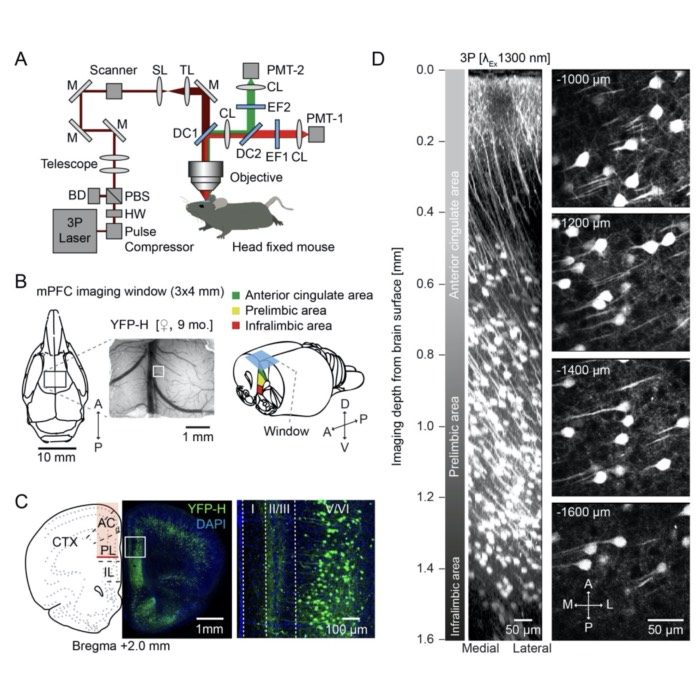
New preprint: Breaking new ground in brain imaging with three-photon microscopy
Our new preprint on Three-photon in vivo imaging of neurons and glia in the medial prefrontal cor...
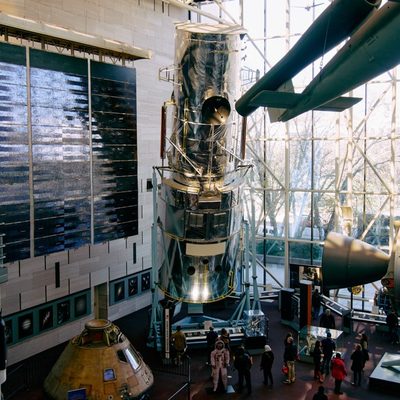
Smithsonian National Air and Space Museum
In 2015, I was lucky enough to visit the Smithsonian’s National Air and Space Museum in Washingto...

Astropeiler Stockert
After rediscovering the photographs from our 2013 excursion to Effelsberg, I also found the image...
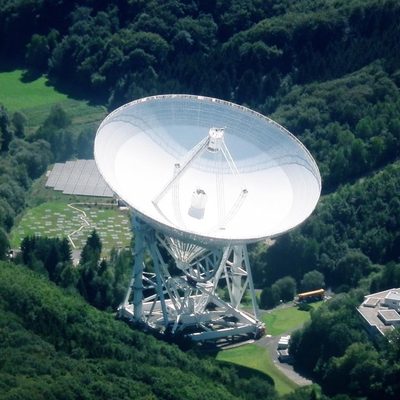
Effelsberg radio telescope
The Effelsberg radio telescope is one of the major instruments of European radio astronomy. It ha...
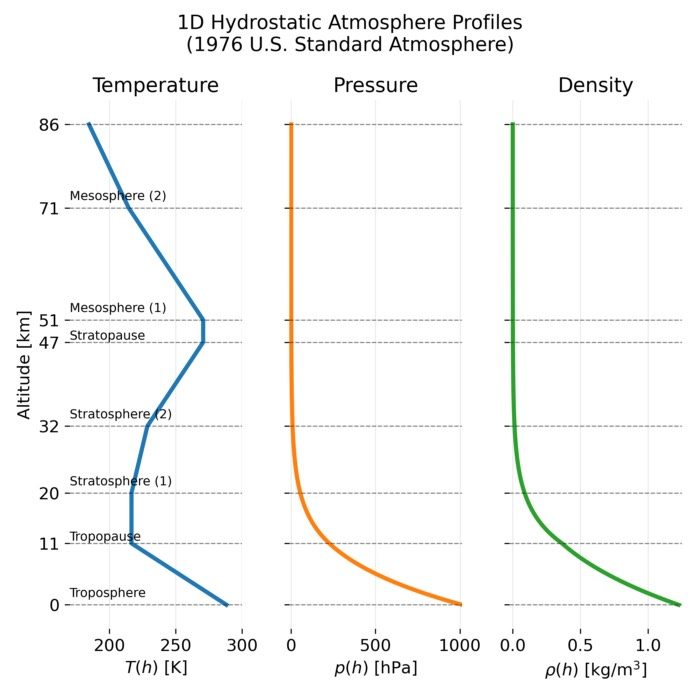
Atmosphere and ocean as hydrostatic fluids
Although atmospheric physics is today a well established and highly specialized research field, m...
Wavelet analysis in turbulence (and beyond)
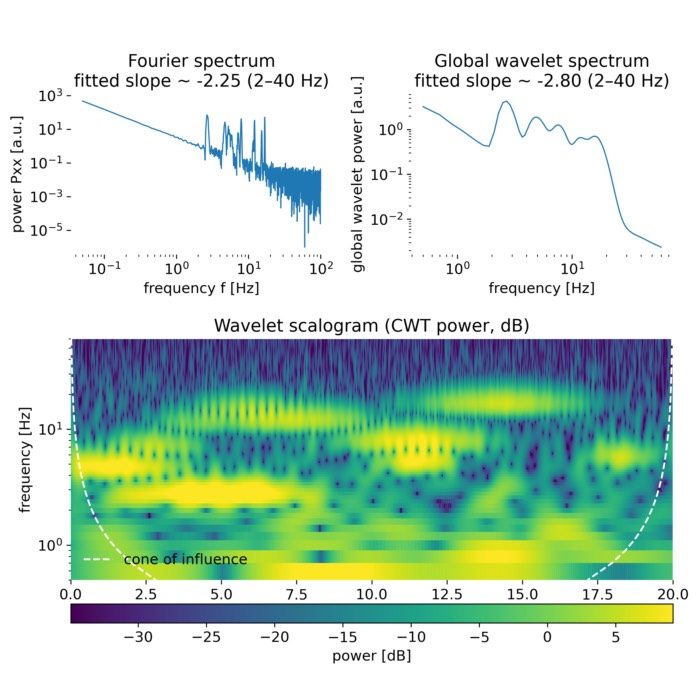
Wavelet analysis provides a joint time scale representation of signals, making it particularly su...
The von Kármán vortex street
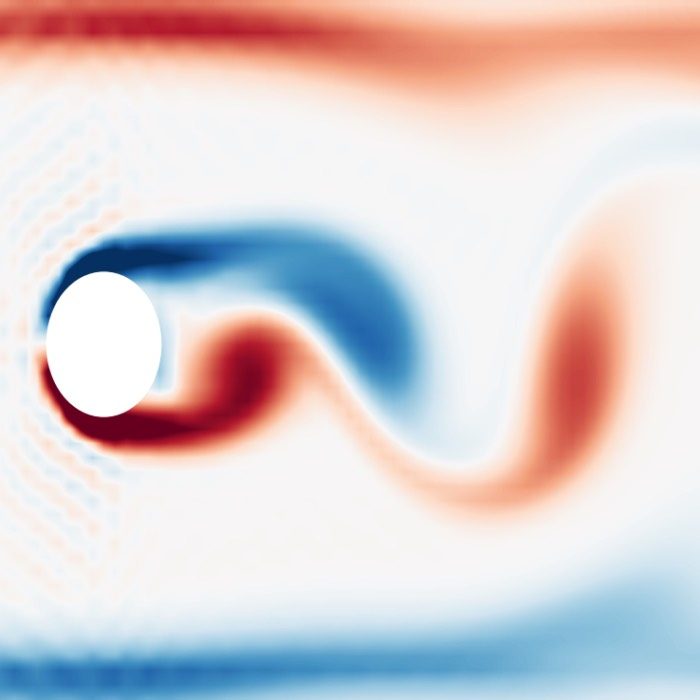
One of the most iconic and visually striking examples of unsteady fluid flow is the von Kármán vo...
Forced 2D turbulence and Richardson cascade in a pseudospectral vorticity solver
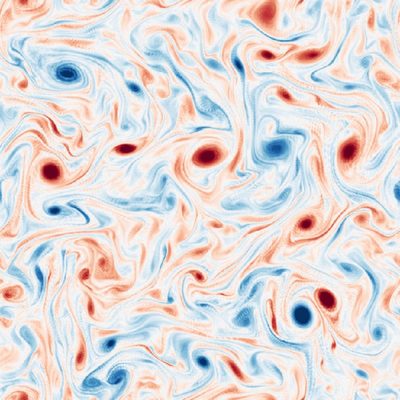
In this post, we implement a forced two dimensional incompressible turbulence simulation in vorti...
Turbulence, Richardson cascade, and spectral scaling in incompressible flows
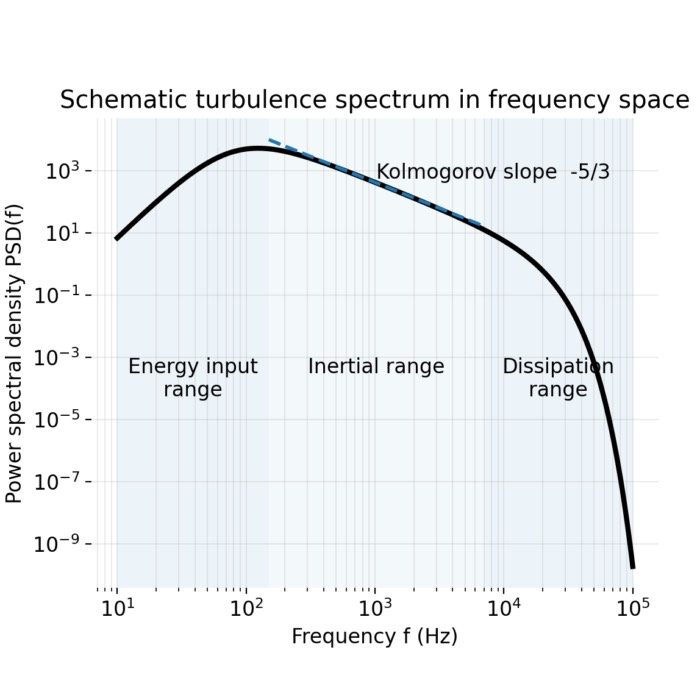
Turbulence is a generic dynamical regime of fluids, independent of whether the medium is liquid, ...
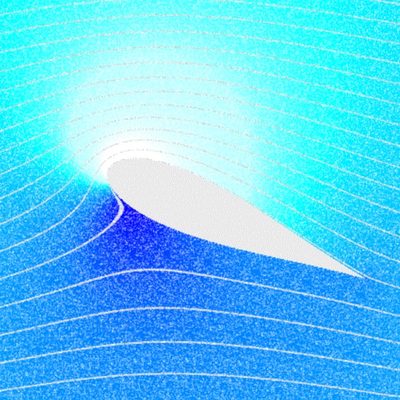
Hydrodynamics: A brief overview of fluid dynamics and its fundamental equations
Hydrodynamics, the study of fluid motion, is a cornerstone of classical physics with applications...
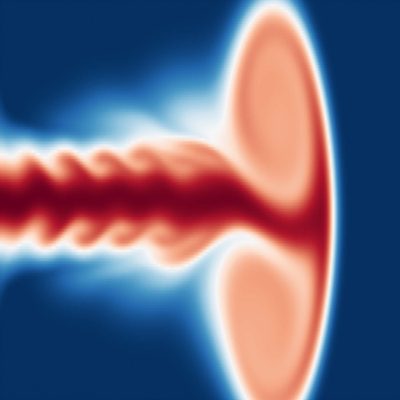
A spatially developing 2D Kelvin Helmholtz jet with a finite volume projection method
In this post, we explore the Kelvin-Helmholtz instability in a spatially developing 2D jet using ...
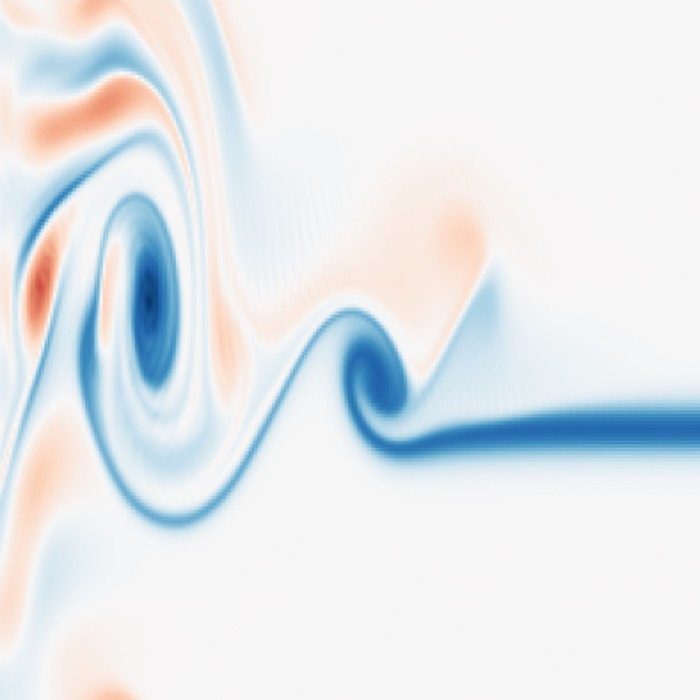
Kelvin–Helmholtz instability in 2D incompressible shear flows
The Kelvin–Helmholtz instability is a fundamental fluid dynamical phenomenon that occurs at the i...
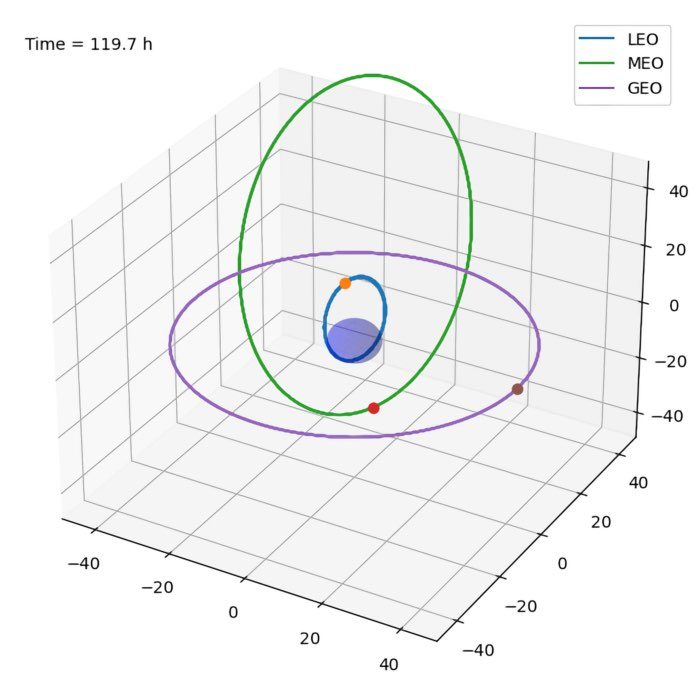
The two-body problem
The two-body system is a classical problem in physics. It describes the motion of two massive obj...
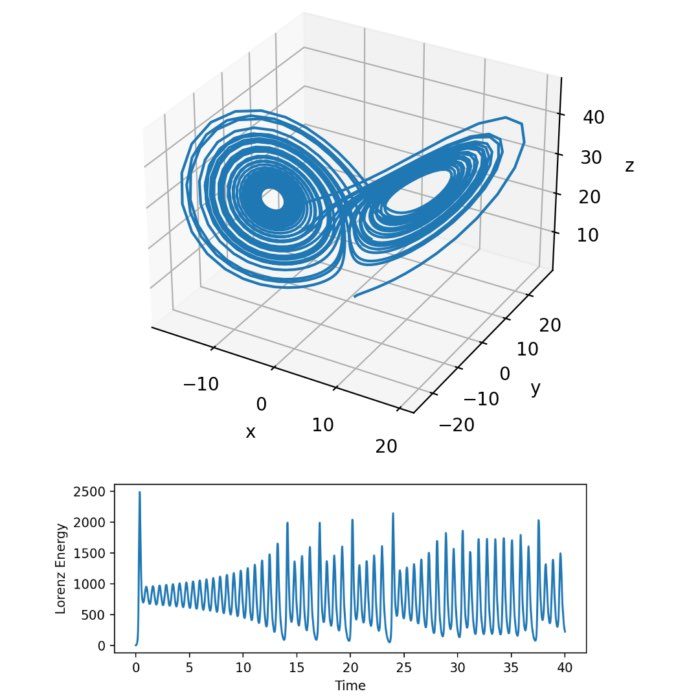
Solving the Lorenz system using Runge-Kutta methods
In my previous post, I introduced the Runge-Kutta methods for numerically solving ordinary differ...
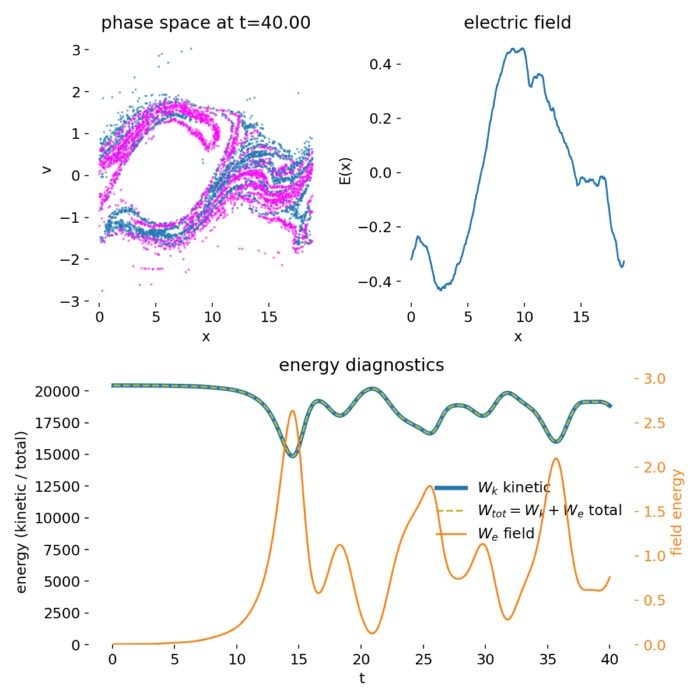
A spectral (FFT) Poisson solver for 1D electrostatic PIC
In our previous post on Particle-in-Cell methods, we implemented a minimal 1D electrostatic PIC c...
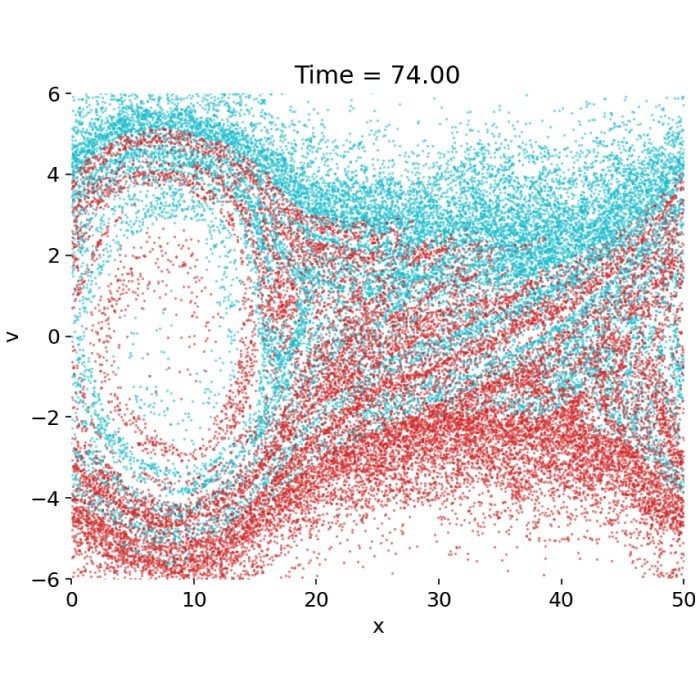
Particle-in-Cell methods in kinetic plasma simulations
The Particle-in-Cell (PIC) method is a powerful numerical technique for simulating kinetic plasma...
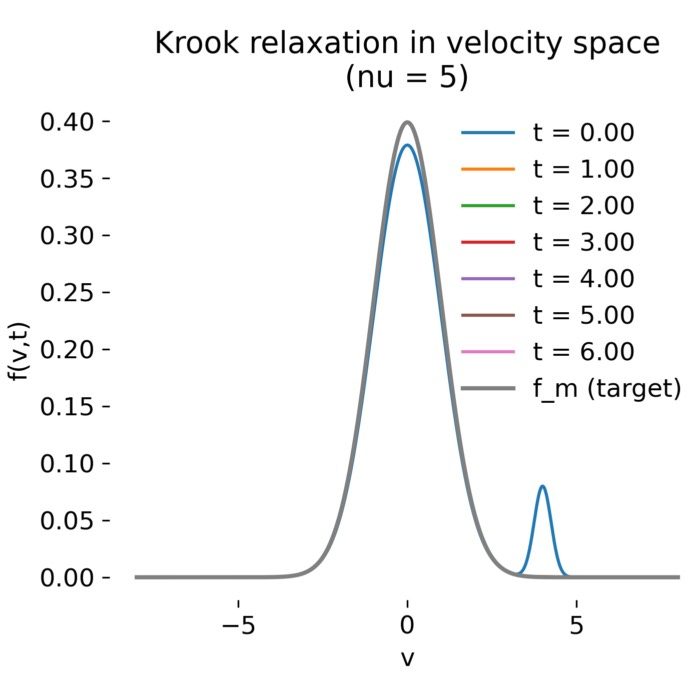
Krook collision operator as velocity-space relaxation
The Krook collision operator provides a minimal model for velocity-space relaxation in kinetic pl...
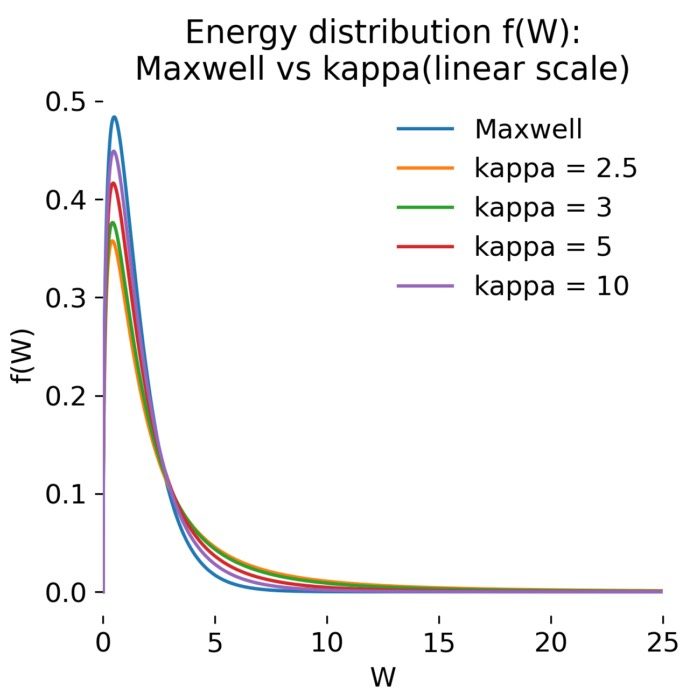
Kappa versus Maxwell distributions: Suprathermal tails in collisionless plasmas
In many space plasmas, particle velocity distributions deviate from the Maxwellian form due to we...
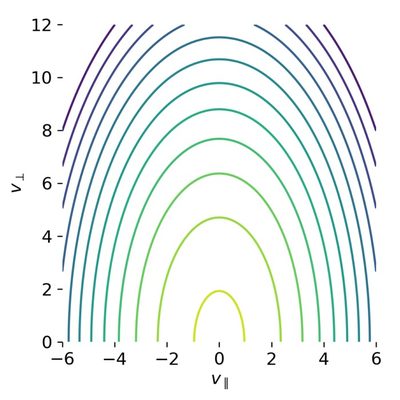
Bi-Maxwellian distributions and anisotropic pressure
In many space and laboratory plasmas, velocity distributions are anisotropic with respect to the ...
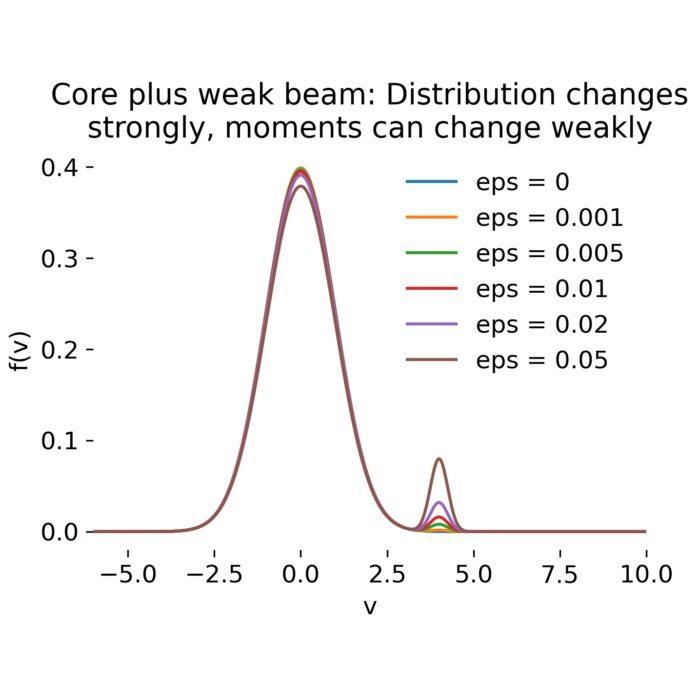
What velocity moments miss: Core plus beam distributions
In this post, we explore how different initial velocity distributions lead to qualitatively disti...
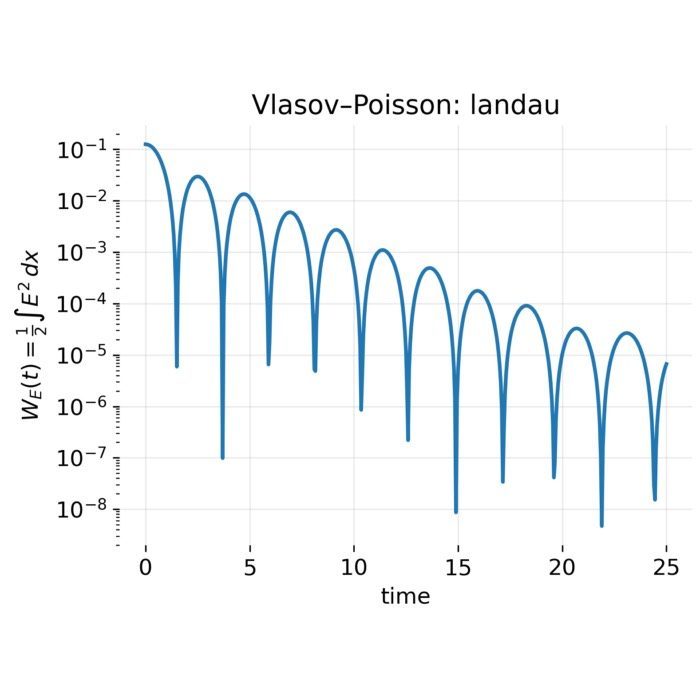
Vlasov–Poisson dynamics: Landau damping and the two-stream instability
The Vlasov–Poisson system provides a minimal kinetic framework to illustrate fundamental plasma p...
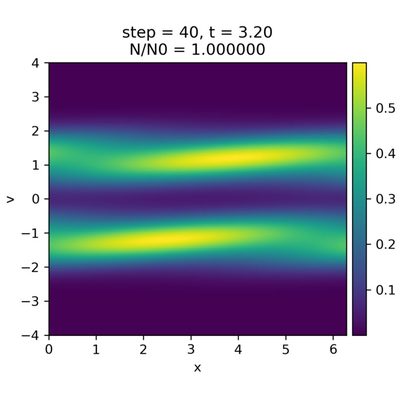
Kinetic plasma theory: From distribution functions to the Vlasov equation
Kinetic plasma theory describes a plasma as an ensemble of particles represented by a distributio...
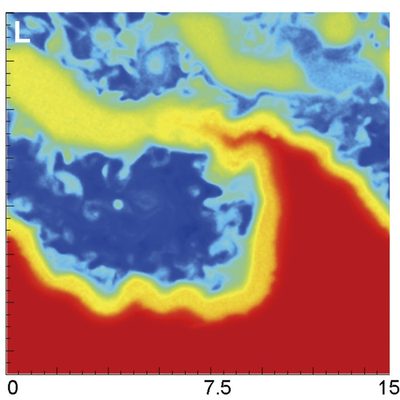
Plasma instabilities as dynamical departures from equilibrium
Plasma instabilities mark the transition from passive wave propagation to active energy conversio...
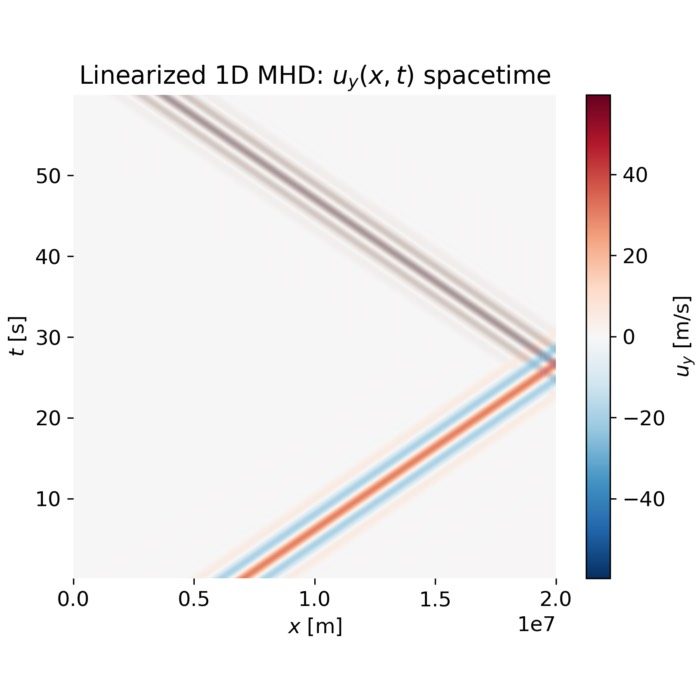
The Alfvén wave as a fundamental mode of magnetized plasmas
Among all plasma waves, the Alfvén wave occupies a special conceptual position. It is the simples...
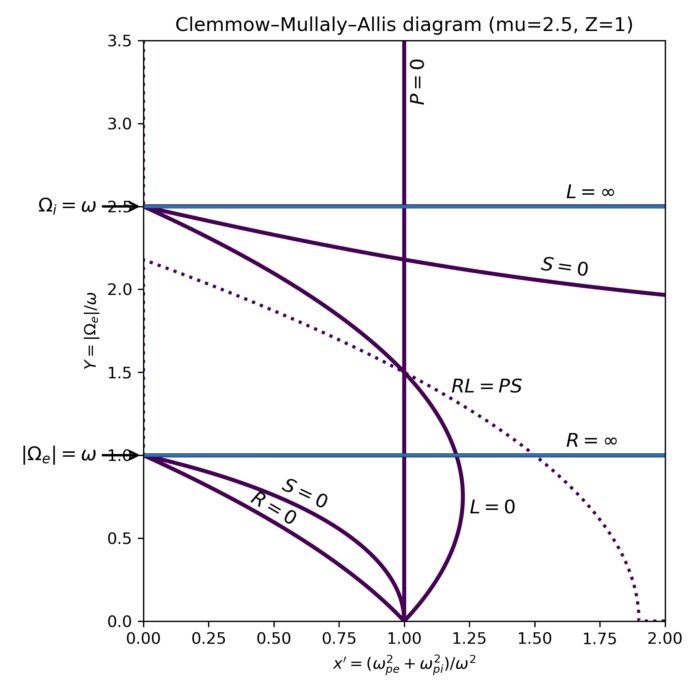
Plasma waves in space plasmas
Space plasmas support a rich spectrum of collective wave phenomena that have no direct analogue i...
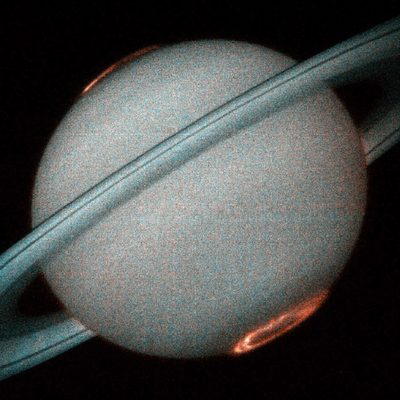
Planetary aurorae
Planetary aurorae are luminous phenomena that occur in the upper atmospheres of magnetized planet...
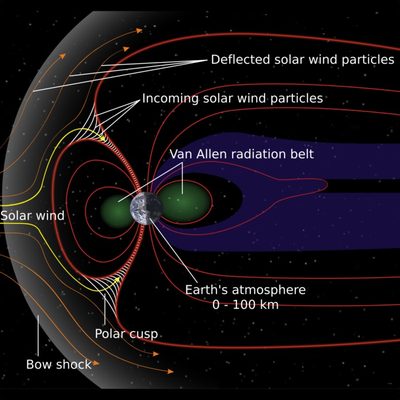
Space Physics: A definitional perspective
Space physics is more than plasma physics. It is an extension of geophysics into space, applying ...
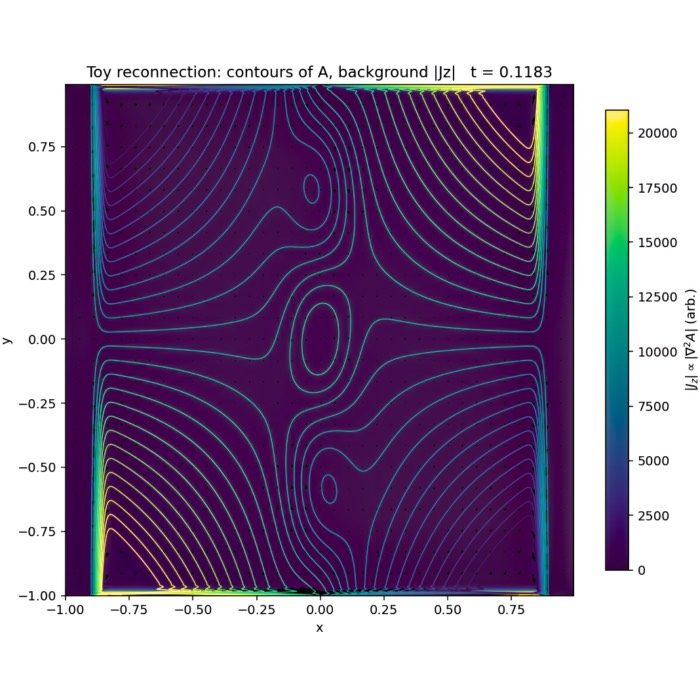
Magnetic reconnection via X-point collapse
In this post, we explore a complementary toy model of magnetic reconnection based on the collapse...
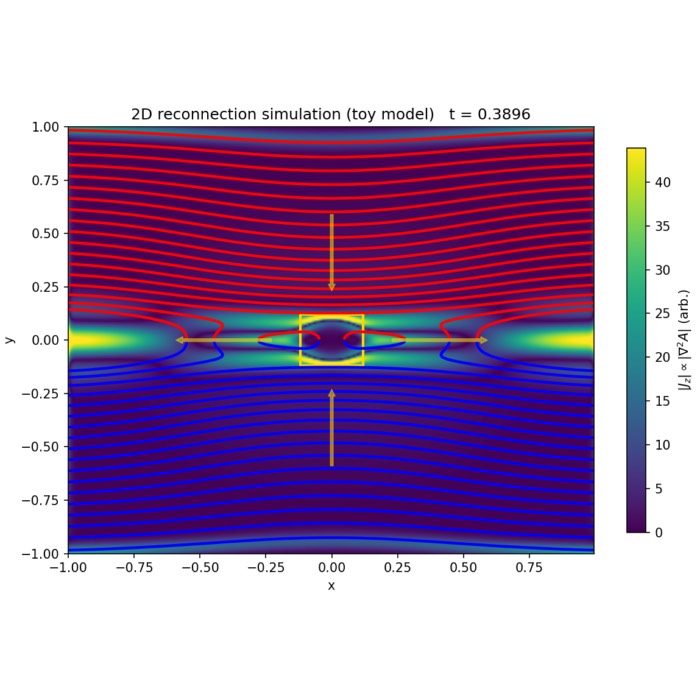
Magnetic reconnection: Theory and a simple numerical model
Magnetic reconnection is a fundamental plasma process that changes magnetic field topology and co...
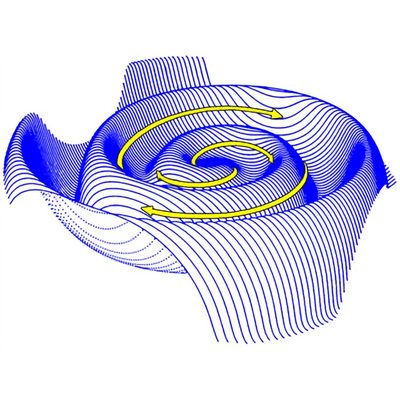
The solar wind and the Parker model
The solar wind is a continuous, supersonic outflow of ionized plasma from the solar corona into i...
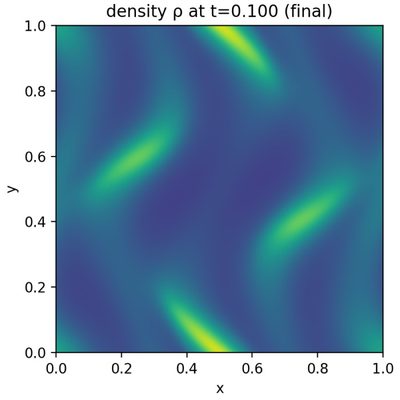
Magnetohydrodynamics (MHD): A theoretical overview with a numerical toy example
Magnetohydrodynamics (MHD) describes the coupled dynamics of a conducting fluid and electromagnet...
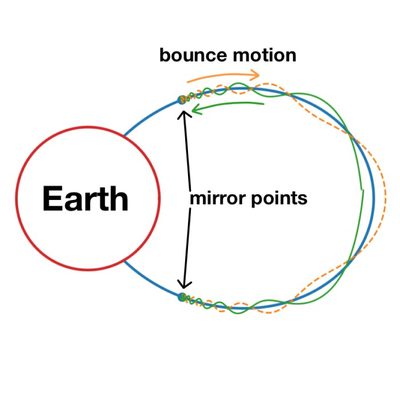
Adiabatic invariants and magnetic mirrors
Adiabatic invariants provide the central simplification behind most practical descriptions of cha...
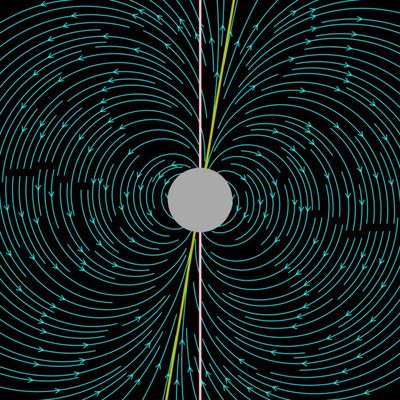
Earth’s dipolar magnetic field
In physics and computational mathematics, numerical methods for solving ordinary differential equ...
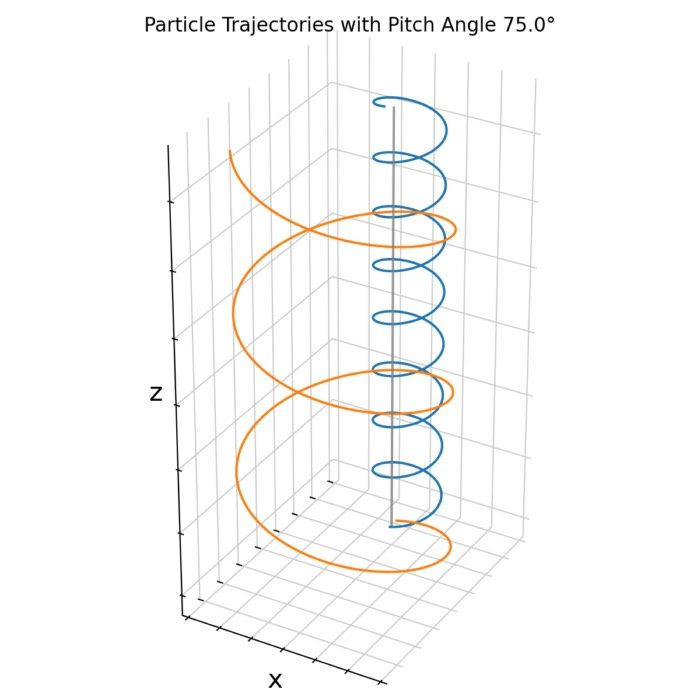
Single-particle description of plasmas: Equation of motion, gyration, and ExB drift
In plasma physics, the motion of a single charged particle in prescribed electromagnetic fields p...
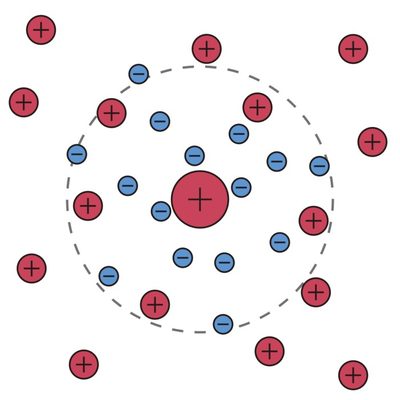
Characteristics of a plasma: Collective behavior, shielding, and intrinsic time scales
Both in space and astrophysics as well as in laboratory settings, plasma is the most common state...