#Image Processing
Image Processing appears on this blog whenever image data regardless of its source needs to be analyzed quantitatively. This can happen in a variety of contexts, for example when microscopy data, spectroscopic measurements, or simulation outputs have to be turned into quantitative objects rather than just pictures. Much of my scientific work involves extracting structure from images, so it is a topic I keep returning to in different contexts. Posts tagged this way usually deal with practical questions of filtering, segmentation, registration, and quantitative feature extraction, often illustrated with concrete Python examples. They range from small technical notes to more extended discussions of analysis pipelines, always with an emphasis on methodological clarity and reproducibility rather than on visual polish alone.
There are currently 10 articles with this tag (newest first):
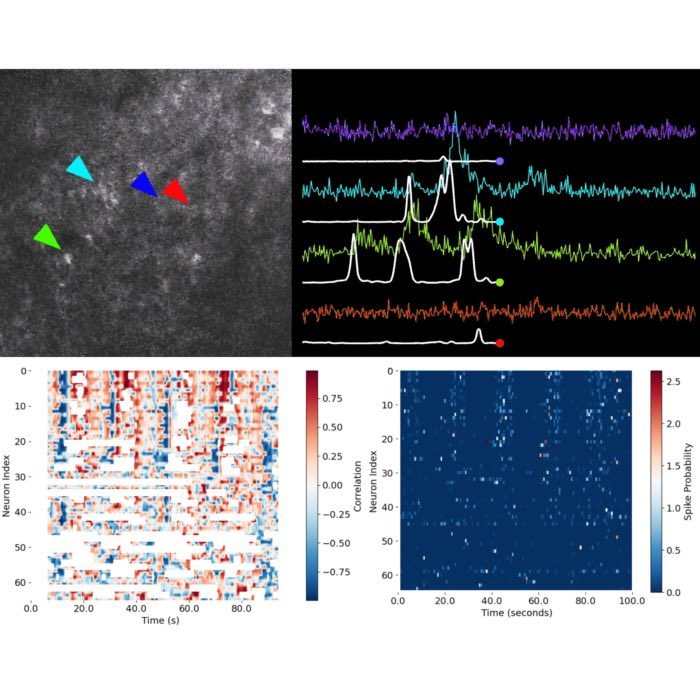
New teaching material: Functional imaging data analysis – From calcium imaging to network dynamics
We have just completed our new course, Functional Imaging Data Analysis: From Calcium Imaging to ...
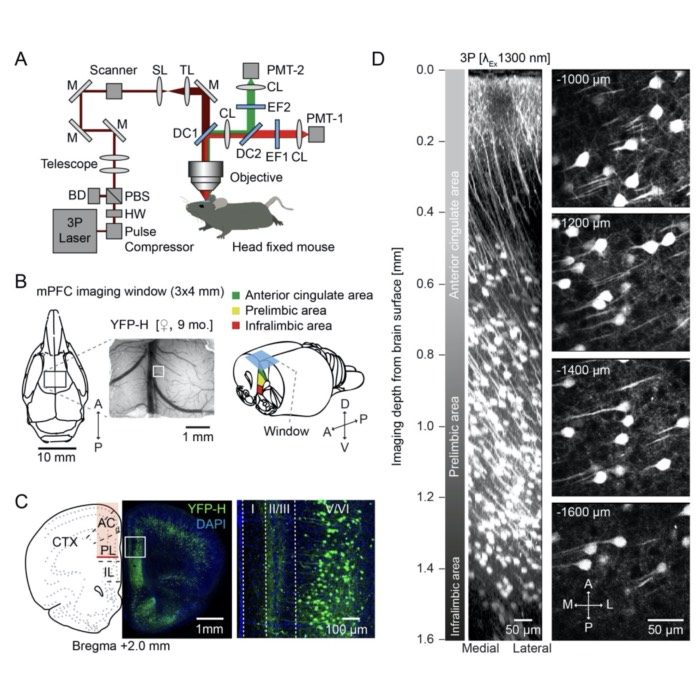
New preprint: Breaking new ground in brain imaging with three-photon microscopy
Our new preprint on Three-photon in vivo imaging of neurons and glia in the medial prefrontal cor...
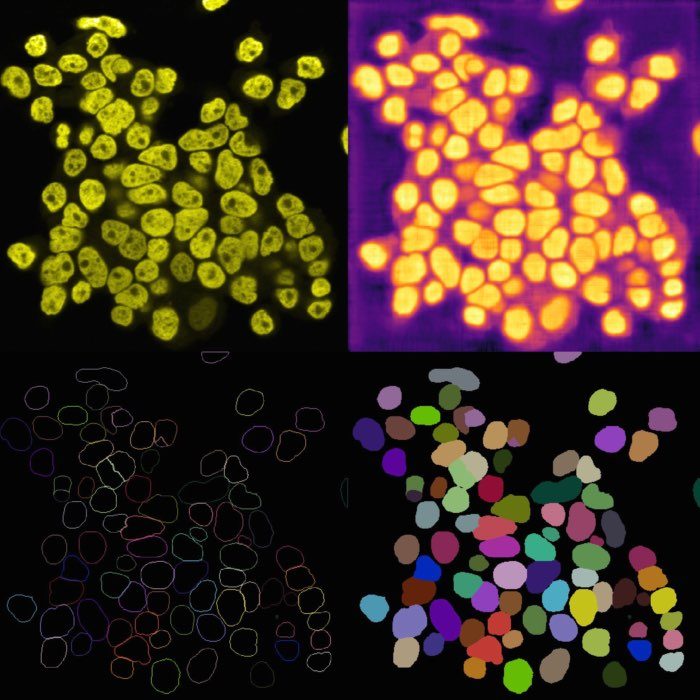
Bioimage analysis with Napari
I’ve added new teaching material on using the free and open-source software (FOSS) Napari for bio...
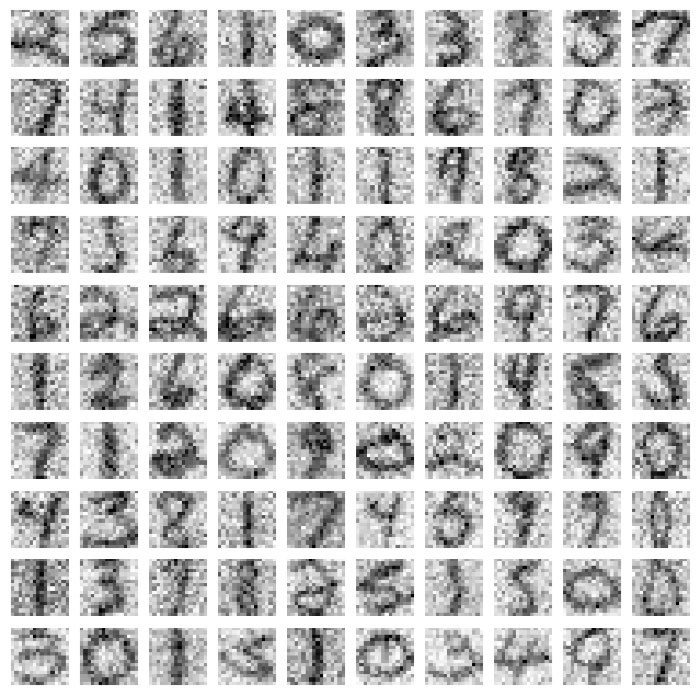
Image denoising techniques: A comparison of PCA, kernel PCA, autoencoder, and CNN
In this post, we explore the performance of PCA, Kernel PCA, denoising autoencoder, and CNN for i...

Bio-image registration with Python
Which method works best for which registration problem? In this tutorial we compare different met...

Stable installation of Napari on a M1 Mac
In case you’re having problems installing Napari on your M1 Mac, try to install it from conda ins...

Open Zarr files in Fiji
Both Zarr and OME-ZARR files are supported in Fiji. Here’s how to get it working.
Using Zarr for images – The OME-ZARR standard
As for any other NumPy array, we can use the Zarr file format to store image files. In this post ...

Zarr – or: How to efficiently save NumPy arrays
What is Zarr and why is it probably the most suitable file format for saving NumPy arrays?

New Teaching Material: Fiji short course
There is a new tutorial in the Teaching Material. It’s a short Fiji tutorial on analyzing biomedi...