Buddhist temple tradition in East Asia: China, Korea, Japan, and Vietnam
The Buddhist temple tradition in East Asia reflects a profound confluence of transregional religious transmission, local adaptation, and architectural ingenuity. From the first introduction of Buddhism to China via the Silk Roads in the 1st century CE, the religion spread gradually eastward, shaping and being shaped by the cultures of Korea, Japan, and Vietnam. In each context, the Buddhist temple emerged not only as a place of worship but also as a center of monastic learning, ritual practice, artistic production, and community life.

Three-storied Pagoda of Seiganto-ji and Nachi Falls. In East Asia, Buddhist temples were adapted to local cultures, often incorporating indigenous beliefs and practices. The Seiganto-ji temple complex in Japan, for example, features a three-storied pagoda that harmonizes with the natural landscape of Nachi Falls, reflecting the integration of Buddhist and Shinto traditions. Source: Wikimedia Commonsꜛ (license: CC BY-SA 4.0)
Temples in East Asia have functioned as comprehensive religious institutions, housing monks and nuns, storing canonical texts, staging festivals and rites, and serving as patrons of art and architecture. While rooted in a common Indic heritage, the form and function of Buddhist temples evolved uniquely in response to each region’s indigenous religious systems, political structures, and aesthetic preferences. These temples stand as enduring testaments to the localization and institutional resilience of Buddhism across time and space.
In this post, we examine the development of Buddhist temple architecture and institutional life in China, Korea, Japan, and Vietnam. we highlight both shared features such as axial layouts, ritual spaces, and canonical functions, and regionally distinctive expressions, from geomantic placement in Korean mountain monasteries to the minimalist Zen temples of Japan. Through comparative analysis, we explore how Buddhist temples across East Asia reflect both unity in religious intent and diversity in cultural articulation.
Historical transmission and localization
The transmission of Buddhism into East Asia is a complex narrative that intertwines historical, cultural, and religious threads. The initial introduction of Buddhism to China in the 1st century CE marked the beginning of a transformative process that would shape the region’s spiritual landscape for centuries to come. This transmission was not a linear process; rather, it involved multiple routes, periods of state engagement, and interactions with indigenous belief systems.
Routes and periods of transmission
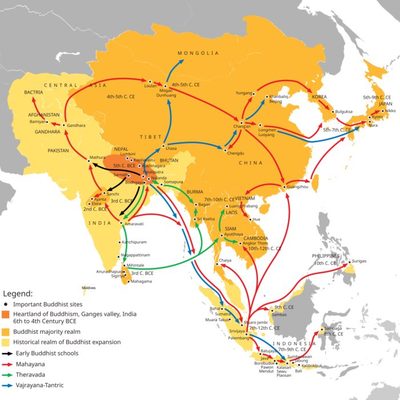
The transmission of Buddhism into East Asia occurred over several centuries and along multiple routes. Originating in India, the religion moved along the Silk Roads and maritime trade networks into Central Asia and then into China by the 1st and 2nd centuries CE. Buddhist monks, merchants, and translators played a pivotal role in introducing Buddhist texts, rituals, and images into the Chinese cultural sphere. From China, Buddhism gradually spread to Korea (4th century), Japan (6th century), and Vietnam (through both Chinese and Indian channels, beginning in the early centuries CE).
Each stage of transmission coincided with different periods of state engagement. In China, imperial support during the Northern Wei and Tang dynasties institutionalized Buddhism and promoted temple construction on a large scale. In Korea, rulers of the Three Kingdoms (especially Silla and Baekje) embraced Buddhism as a state religion and symbol of civilized rule. In Japan, the introduction of Buddhism under Prince Shōtoku was framed as a civilizing influence and later gained institutional backing under the Nara and Heian courts. In Vietnam, Buddhism was periodically supported by local dynasties, particularly during the Lý and Trần periods. Across these regions, Buddhist temples became vehicles of cultural transmission, political legitimacy, and spiritual authority.
Localization and syncretism
As Buddhism spread across East Asia, it encountered well-established philosophical and religious systems, including Confucianism, Daoism, Shinto, and indigenous animistic traditions. Rather than displacing these belief systems, Buddhism often absorbed and coexisted with them. In China, Buddhist cosmology and ethics were harmonized with Confucian filial piety and Daoist metaphysics. Temples began to incorporate deities from Daoist or local pantheons, and monastic codes were adapted to resonate with prevailing social values.
In Korea, Buddhism integrated geomantic principles and local folk beliefs, giving rise to distinctive practices such as mountain temple placement and syncretic rituals. In Japan, Buddhist teachings were combined with Shinto kami worship, especially under the Shinbutsu shūgō system, which fused Shinto shrines with Buddhist temples. Vietnamese Buddhism developed under the dual influence of Chinese Mahāyāna traditions and indigenous spirit cults, creating a uniquely hybrid religious environment.
Through these processes of localization and syncretism, Buddhist temples evolved beyond their Indian origins to become deeply embedded in the cultural and spiritual fabric of East Asian societies.
Temple architecture and layout
Architectural forms and spatial arrangements of Buddhist temples in East Asia reflect a complex interplay of religious symbolism, cultural aesthetics, and practical considerations. While the core elements of temple architecture share commonalities across regions, local adaptations have produced distinctive styles that resonate with each culture’s historical and environmental contexts.
Core structural components
Across East Asia, Buddhist temples share a core set of architectural elements that define their ritual and institutional functionality. At the heart of most temple complexes lies the main hall, often called the Mahāvīra Hall or Dàxióng Bǎodiàn in Chinese, which enshrines central images of the historical Buddha and attendant Bodhisattvas. This hall serves as the primary space for ceremonial worship, recitation, and lay devotion.
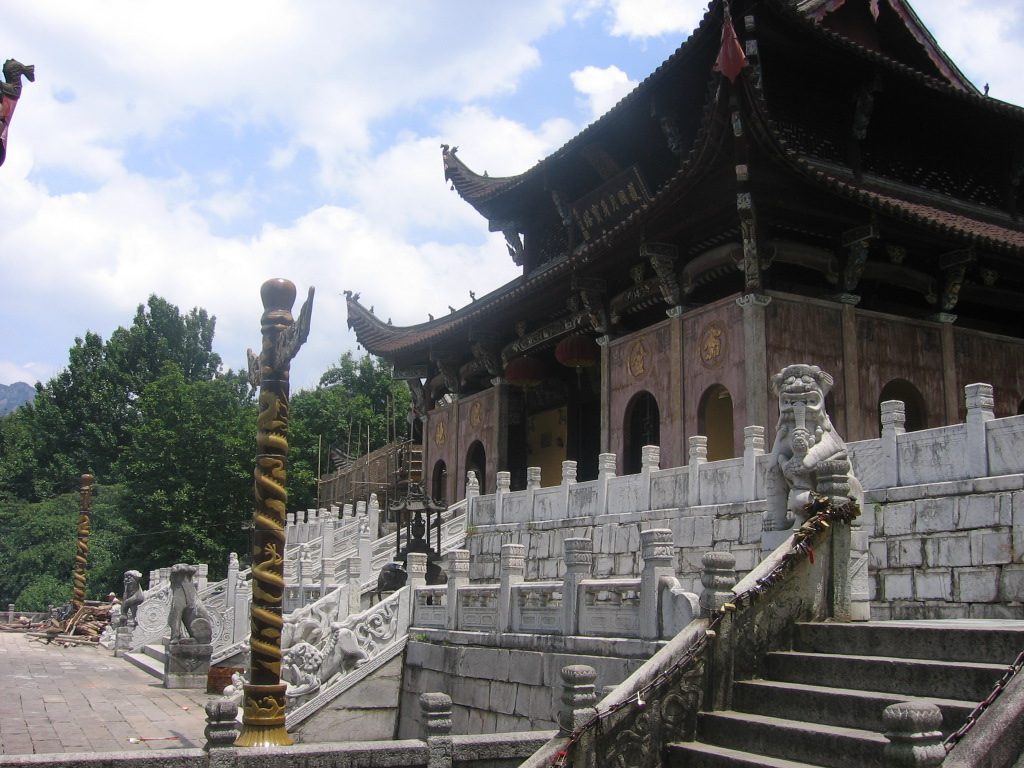
A hall in the Shrine of Living Buddha on Mount Jiuhua in Anhui, China. Source: Wikimedia Commonsꜛ (license: public domain)
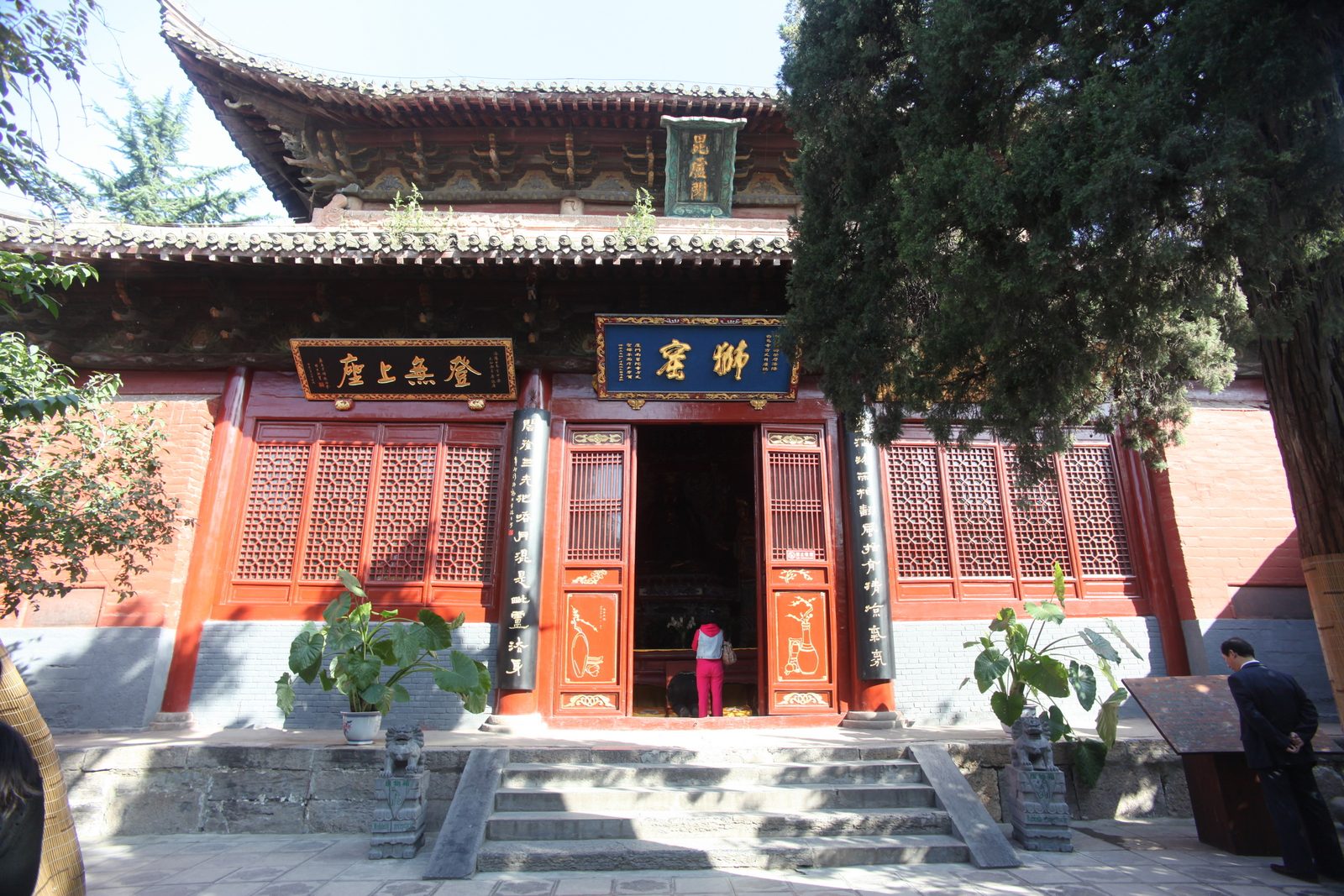
The Pilu Library at the White Horse Temple in Luoyang, China. Source: Wikimedia Commonsꜛ (license: CC BY-SA 3.0)
Flanking or standing behind the main hall are pagodas, which function as reliquaries and vertical markers of the sacred. Originating from Indian stūpa forms, pagodas evolved into multistoried structures in East Asia, taking wooden or brick forms with square, hexagonal, or octagonal bases. Bell towers and drum towers typically stand at the sides of the main courtyard, used to announce times for meditation, meals, and ritual activities.
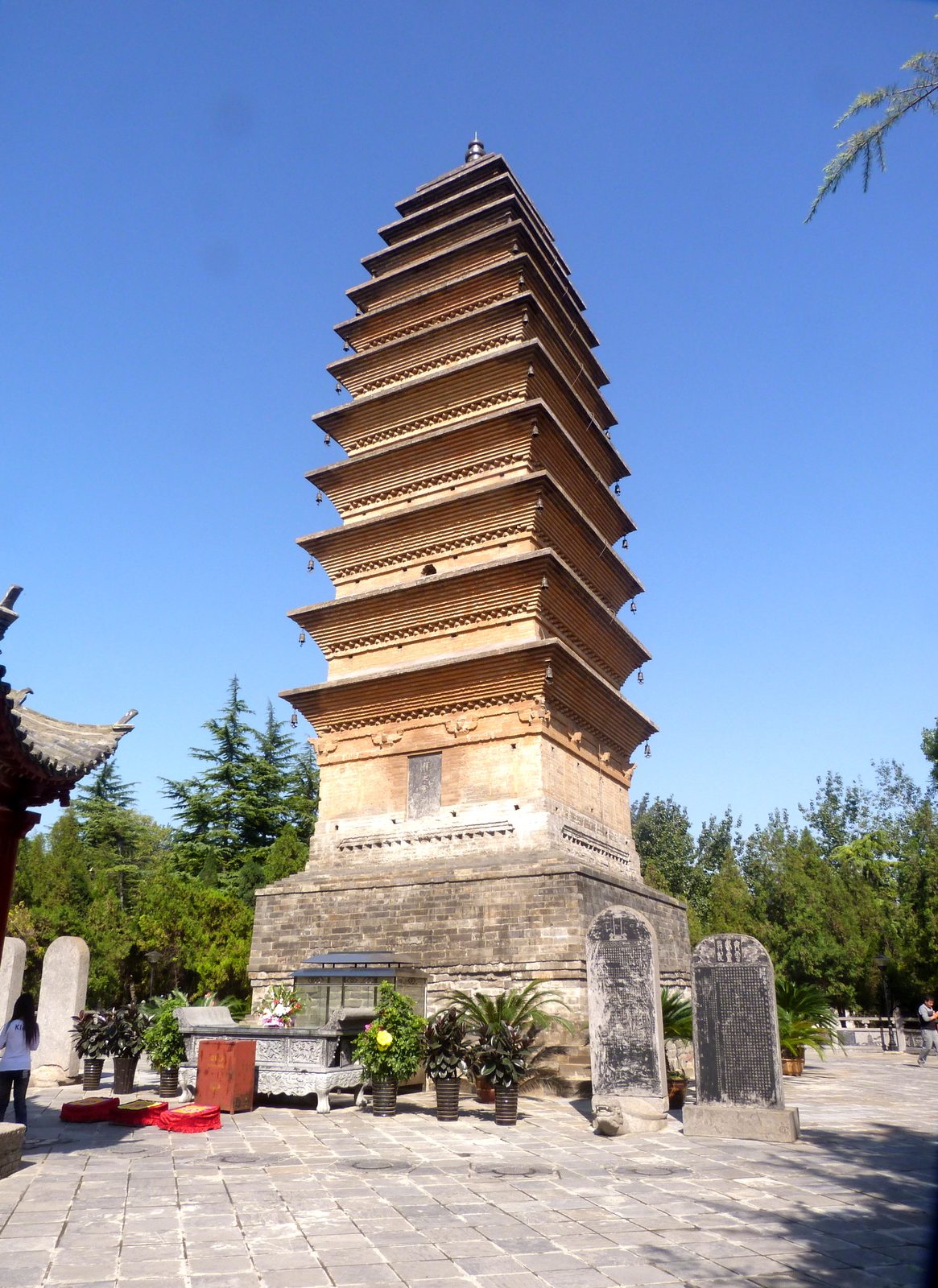
Pagoda of the White Horse Temple in Luoyang, China. Though destroyed several times in history, the present Qiyun Pagoda was built in 1175. Source: Wikimedia Commonsꜛ (license: CC BY-SA 3.0)
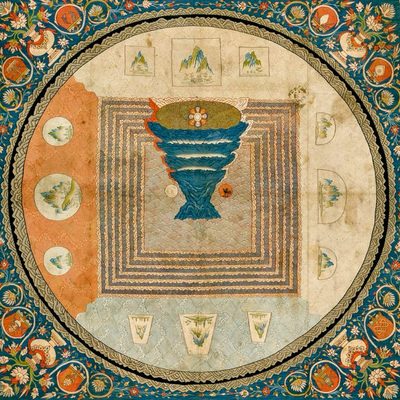
Temples also include lecture halls for doctrinal instruction and scriptural exegesis, as well as monastic quarters where ordained clergy reside, study, and perform daily routines. Auxiliary buildings may include refectories, repositories for sutras, meditation halls (chán táng or zendō), and gatehouses. Temple layouts are often guided by symbolic principles: axial symmetry, hierarchical zoning, and cosmological mapping based on concepts like Mount Meru and the four cardinal directions.
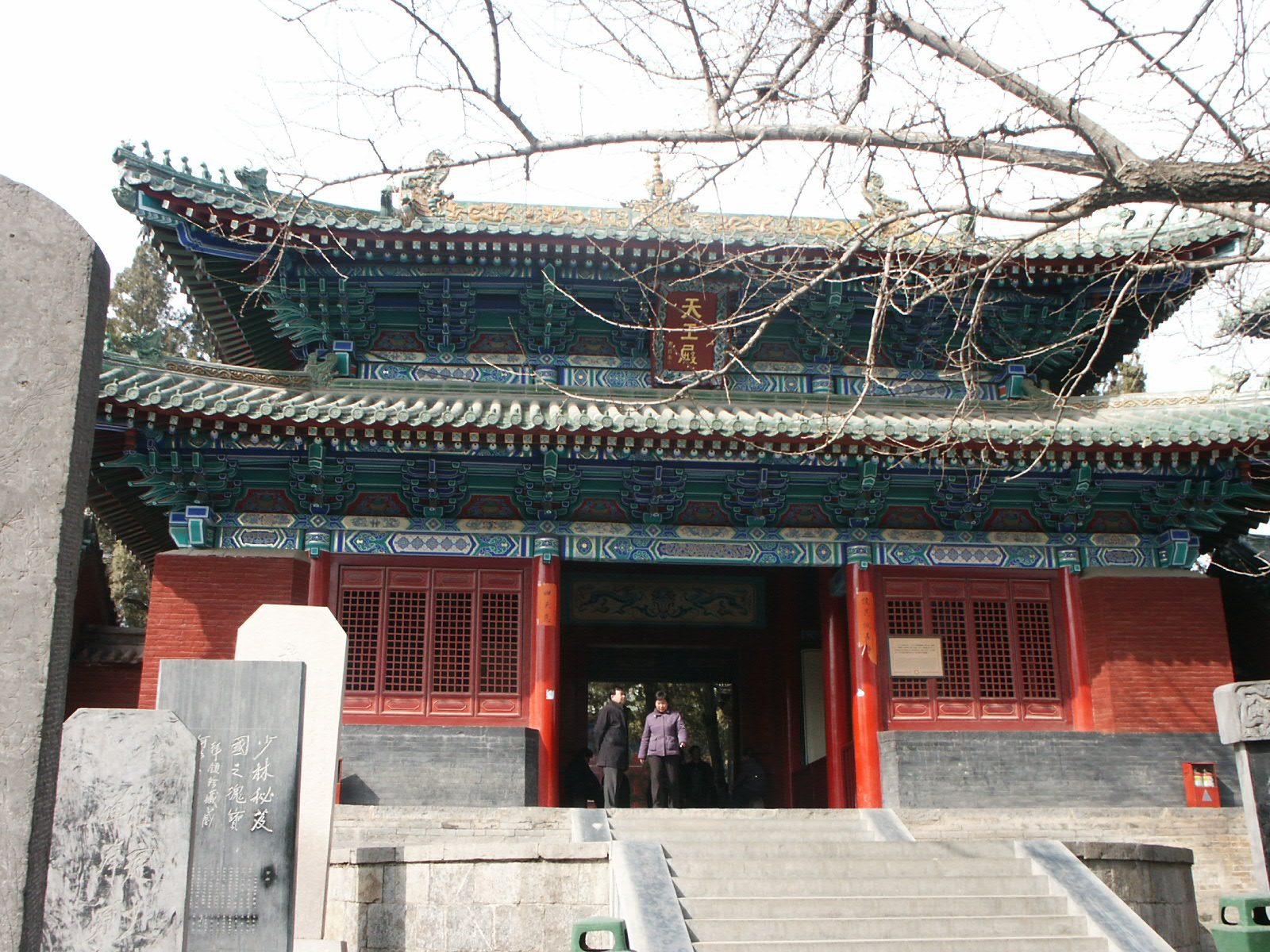
Devaraja Hall of Shaolin Monastery, first built during the Yuan dynasty and renovated many times during the Ming and Qing dynasties. The Shaolin Monastery is recognized as the birthplace of Chán Buddhism and the cradle of Chinese martial arts. Source: Wikimedia Commonsꜛ (license: CC BY-SA 1.0)
This architectural grammar both expresses Buddhist cosmology and supports the liturgical, educational, and administrative life of the monastic institution. While local styles and spatial arrangements vary, these structural components form the core vocabulary of Buddhist temples throughout East Asia.
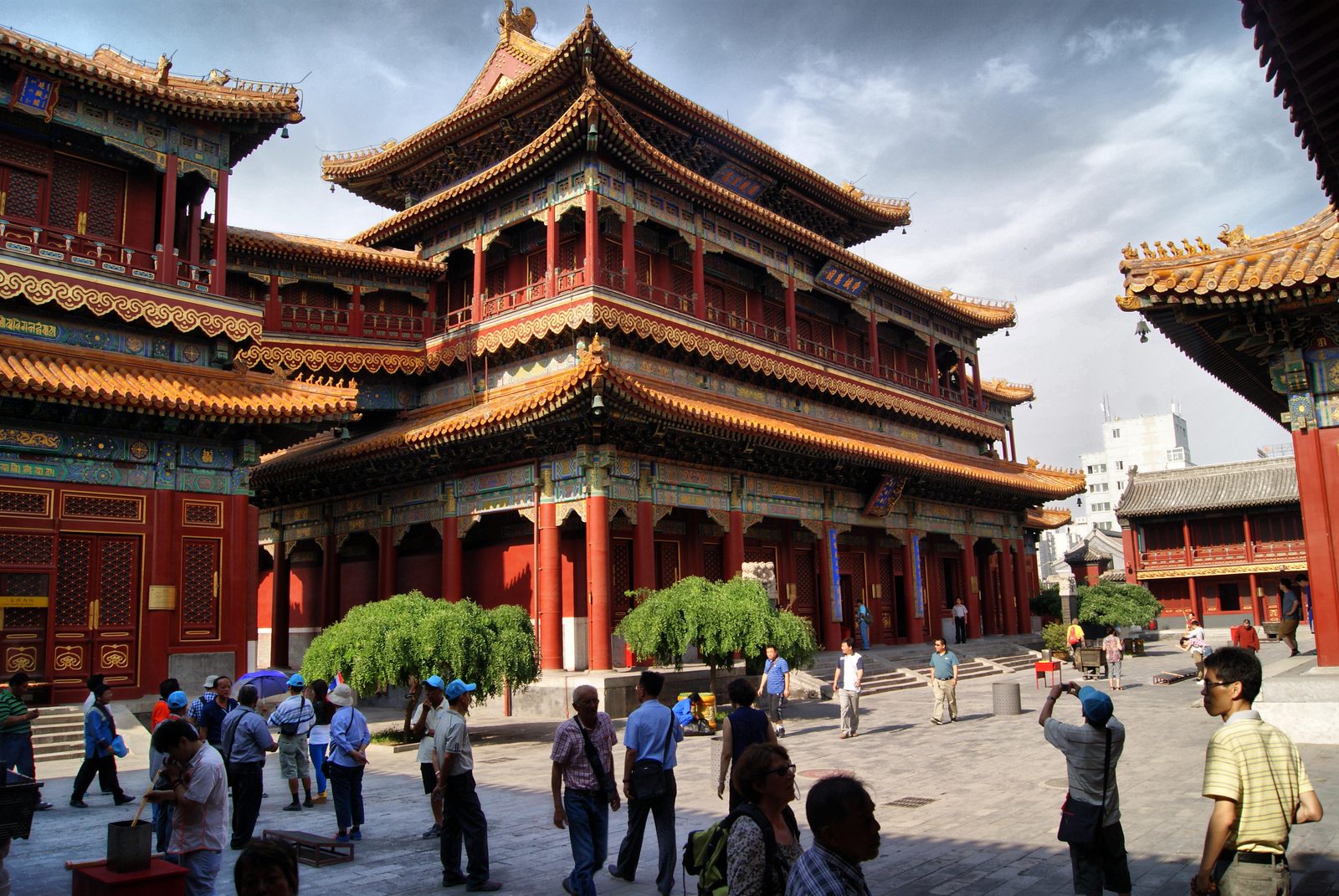
Dongcheng of the Yonghe Temple, Beijing, China. The Yonghe Temple is a Tibetan Buddhist temple and monastery in the Dongcheng District of Beijing. It was originally built in 1694 as the residence of Prince Yong, the future Emperor Yongzheng. The temple complex is known for its stunning architecture, intricate carvings, and large statue of Maitreya Buddha. Source: Wikimedia Commonsꜛ (license: CC BY-SA 3.0)
Regional variations
While East Asian Buddhist temples share fundamental structural components and cosmological symbolism, regional variations in layout and aesthetic expression reflect local environments, religious priorities, and architectural traditions.
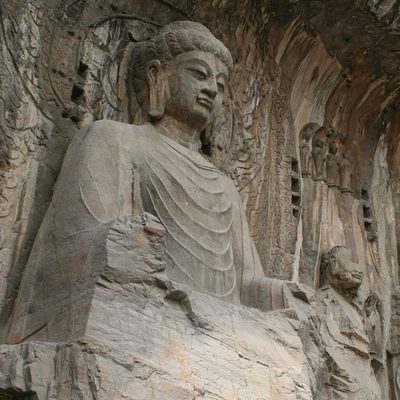
In China, temple architecture follows a pronounced axial arrangement with a series of courtyards leading to successive halls, reflecting Confucian ideals of hierarchical order and symmetry. Large complexes such as the White Horse Temple or the Longmen Grottoes also integrate landscape features, creating a blend of built form and sacred geography. Courtyard planning and layered gate structures guide the visitor through progressively sacred spaces, emphasizing spatial hierarchy and ritual procession.
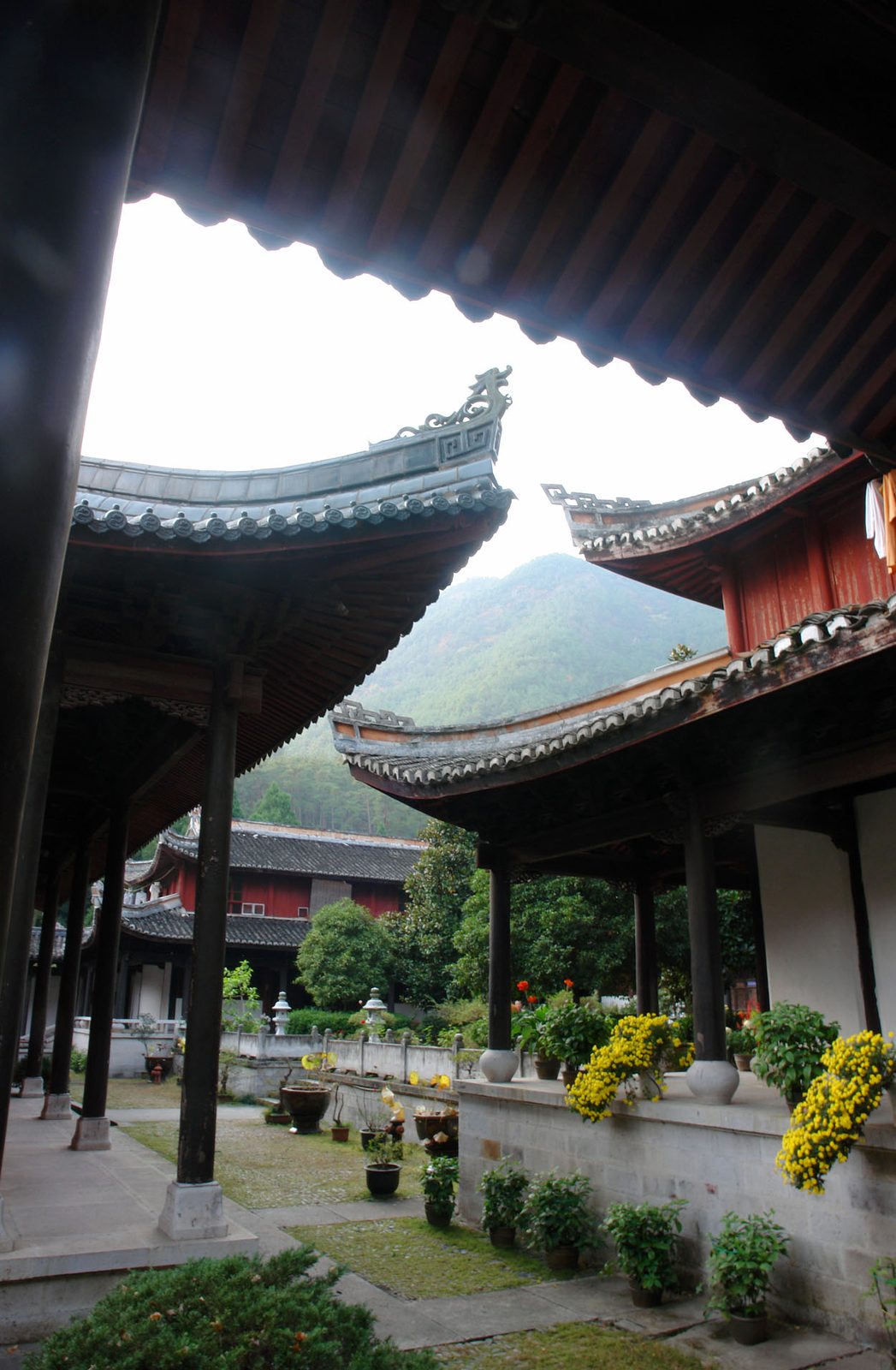
Guoqing Temple at Tiantai, Zhejiang, China. Source: Wikimedia Commonsꜛ (license: CC BY-SA 3.0)
In Korea, many temples were built in mountainous areas according to geomantic principles (pungsu-jiri), believed to harmonize human structures with natural energy flows. This resulted in monasteries that integrate closely with natural topography, with winding paths and cascading layouts rather than strict axial alignment. Notable examples include Bulguksa and Haeinsa, where placement, orientation, and natural surroundings contribute to the temple’s spiritual resonance.
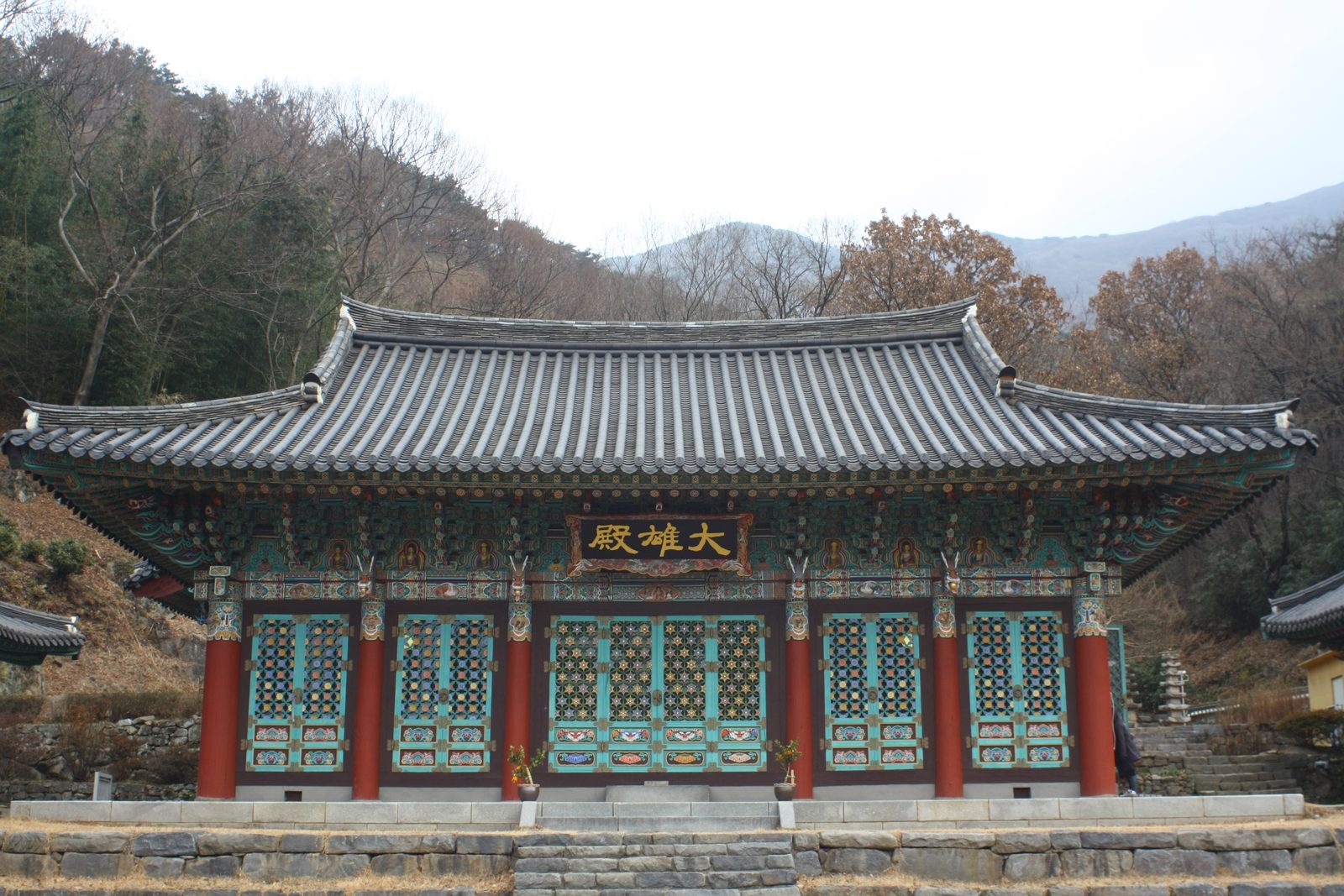
Daeungjeon (main shrine hall housing the temple’s main Buddha images) of the Jeungsimsa in Gwangju, Korea. The Jeungsimsa is known for its beautiful architecture, serene surroundings, and cultural significance. The temple complex features various halls, pagodas, and gardens, making it a popular destination for both locals and tourists seeking spiritual solace and natural beauty. Source: Wikimedia Commonsꜛ (license: CC BY-SA 3.0)
Japanese temple architecture underwent distinctive transformations, particularly with the introduction of Zen Buddhism. Early temples borrowed from Chinese Tang models, but later adaptations, especially during the Kamakura and Muromachi periods, reflected Japanese aristocratic aesthetics. The influence of shinden-zukuri (residential palace architecture) is seen in Heian-period temple complexes, while Zen temples such as Ryōan-ji emphasize simplicity, asymmetry, and meditative spatial design, often centered on dry landscape gardens (karesansui).
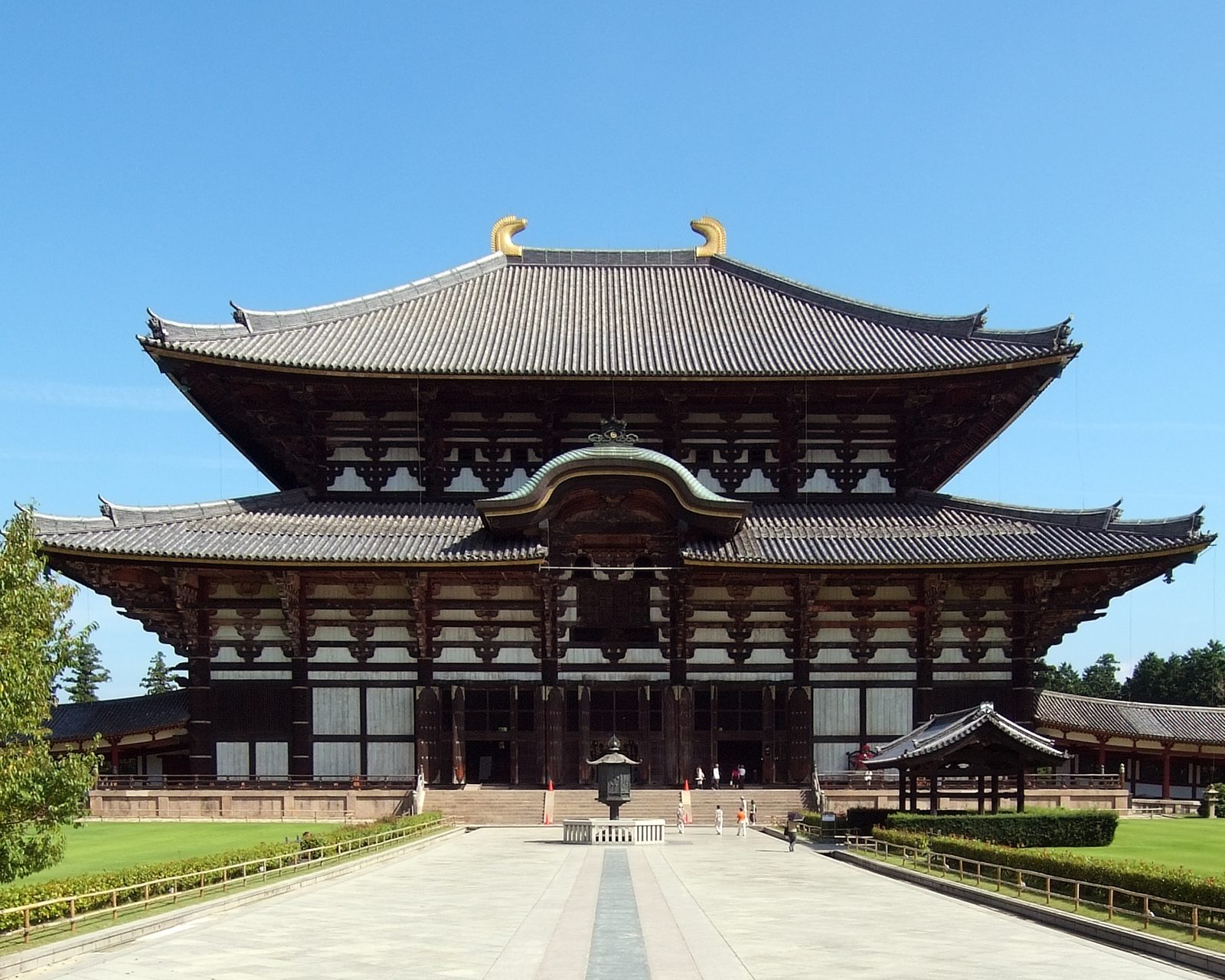
Tōdai-ji Kon-dō (main hall) in Nara, Japan. The temple is one of the most historically significant and culturally important temples in Japan. It houses a giant bronze statue of the Buddha Vairocana, known as the Great Buddha of Nara. The temple complex is a UNESCO World Heritage Site and is renowned for its architectural grandeur and historical significance. Source: Wikimedia Commonsꜛ (license: CC BY-SA 3.0)
Vietnamese Buddhist temples exhibit a synthesis of Chinese architectural vocabulary with local building materials and spatial patterns. Temples are often low and elongated, with open courtyards and tiled roofs featuring curved, dragonlike finials. Wooden construction, ceramic decoration, and integration with ancestral worship practices create a hybrid space where Buddhism, Confucian ethics, and folk religion converge.
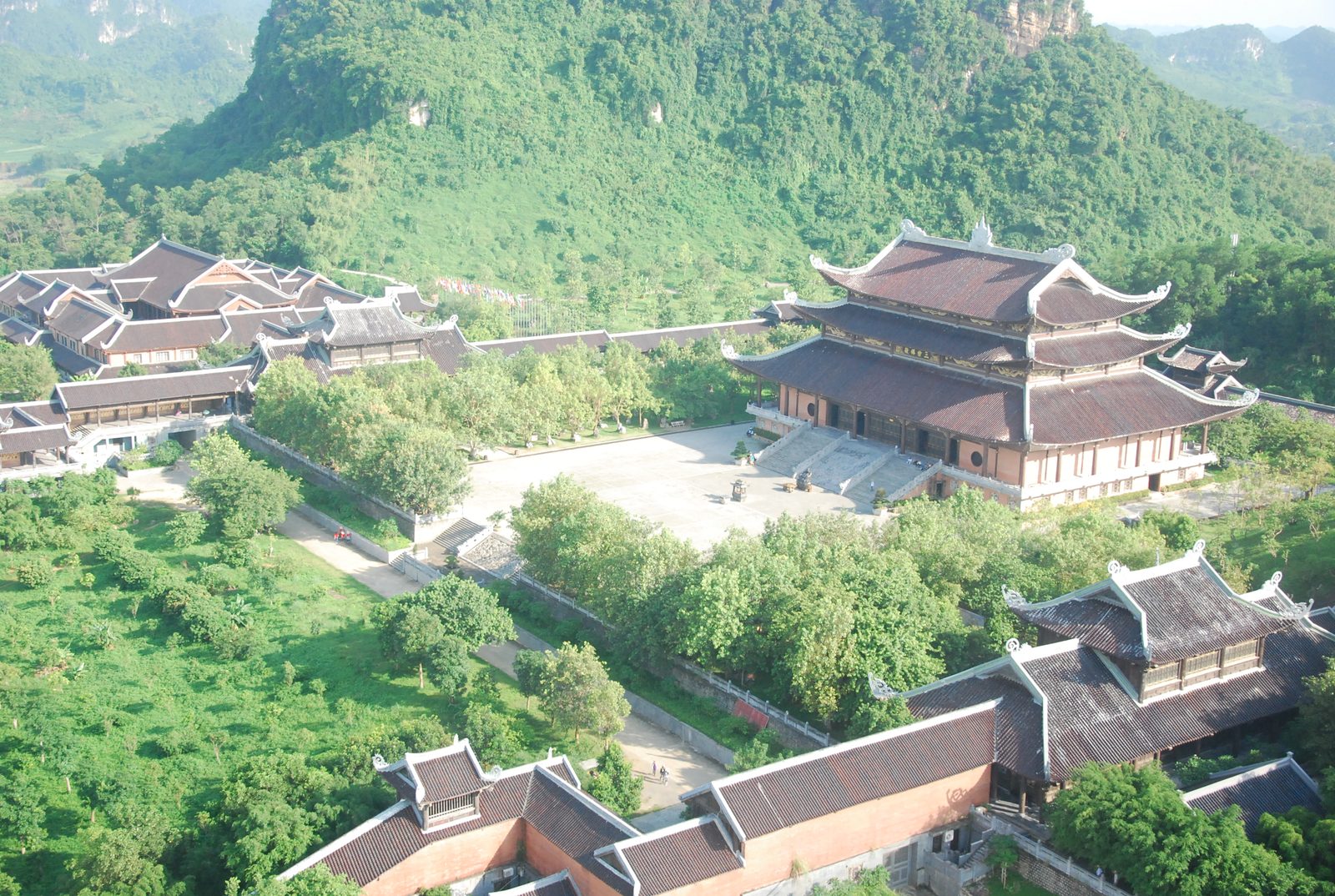
Bái Đính Temple in Ninh Bình Province – the second largest complex of Buddhist temples in Vietnam. Source: Wikimedia Commonsꜛ (license: public domain)
These regional adaptations illustrate how the Buddhist temple was not a fixed import, but a flexible and responsive form shaped by local cultural, spiritual, and material conditions.
Ritual life and monastic practice
In addition to their architectural and institutional roles, Buddhist temples in East Asia are vibrant centers of ritual life and monastic practice. The daily routines of monks and nuns, the participation of lay devotees, and the performance of seasonal festivals all contribute to the dynamic religious culture within these temples.
Daily rituals and annual festivals
Ritual life in East Asian Buddhist temples is structured around both daily routines and periodic ceremonial observances. Monks and nuns engage in set cycles of morning and evening chanting, scripture recitation, and meditation sessions. These practices often occur in the main hall or meditation halls and are intended to cultivate discipline, concentration, and mindfulness. Offerings of incense, flowers, food, and light are made before Buddha images as expressions of reverence and merit-making.
Lay participation in temple rituals is also significant. Devotees commonly attend on lunar observance days, especially the new and full moon, for confession, chanting, and listening to sermons. Annual festivals mark key dates in the Buddhist liturgical calendar, such as Vesak (the Buddha’s birth, enlightenment, and death), the Ullambana Festival (a ritual for the liberation of ancestral spirits), and the New Year, often celebrated with rituals for purification and renewal. These events strengthen community bonds and reaffirm the temple’s role as a spiritual center for both clergy and laity.
Monastic roles and public interface
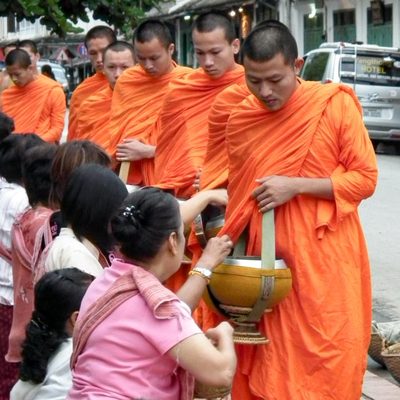
Monastics in East Asia occupy multifaceted roles that extend beyond spiritual cultivation. They serve as ritual specialists, conducting funerals, blessings, memorial services, and rites of passage, and as ethical guides and educators within their communities. Many temples host lay classes on Buddhist ethics, meditation, or scripture, while others sponsor charitable activities such as almsgiving, orphan care, or disaster relief.
Historically, monks have also served as court advisors, diplomatic envoys, or literary scholars. Their close relationships with state authorities enabled the spread of temple networks and the consolidation of monastic estates. At the same time, temples often acted as intermediaries between elite and popular religious practice, mediating Confucian, Daoist, and folk traditions.
Through their everyday conduct and public-facing roles, East Asian Buddhist monastics have helped sustain the cultural authority of temples, bridging personal cultivation with community engagement and institutional longevity.
Temple economy and patronage
The economic life of Buddhist temples in East Asia has historically been shaped by a complex interplay of state patronage, private donations, and local economies. Temples have served as centers of economic activity, generating income through land ownership, agricultural production, and artisanal crafts. This economic foundation has allowed them to maintain their institutional autonomy and support monastic life.
Sources of support
The economic foundation of Buddhist temples in East Asia historically relied on a diverse range of support mechanisms. State patronage often played a central role, especially during periods when Buddhism was formally endorsed by imperial courts or ruling dynasties. In such contexts, temples received land grants, tax exemptions, and material resources to support monastic activities and construction projects. In China, large landowning temples functioned as quasi-feudal estates, while in Japan, major monasteries were integrated into the court economy and enjoyed autonomous legal and fiscal privileges.
Beyond state sponsorship, temples were sustained through private donations from aristocrats, merchants, and ordinary laypeople. These offerings, ranging from food and clothing to silver and rice fields, were acts of merit-making and social reciprocity. Temple markets, fairs, and periodic pilgrimages generated additional income and helped position temples as economic as well as spiritual centers. In some cases, temples operated their own workshops, scriptoria, and printing presses, further diversifying their revenue streams and reinforcing their institutional autonomy.
Periods of suppression and revival
Despite periods of prosperity, Buddhist temples in East Asia also experienced waves of suppression and confiscation, often tied to political or ideological shifts. In China, several anti-Buddhist persecutions, most notably during the Tang (845 CE) and later under Ming and Qing efforts to restrict clerical power, led to temple closures, forced laicization of monks, and the destruction of religious property. Similar fluctuations occurred in Korea and Japan, where temple holdings were curtailed during periods of Confucian resurgence or political centralization, such as the Joseon dynasty or the Meiji Restoration.
Yet, these moments of decline were frequently followed by revival. Dynastic transitions, foreign rule, and periods of national consolidation often saw Buddhism reinstated as a symbol of cultural heritage and moral order. In Vietnam, for example, Buddhist institutions re-emerged with vigor under the Lý and Trần dynasties, while in post-Meiji Japan, some Buddhist sects adapted to modern nationalism and educational reform to regain influence. In contemporary times, temple economies have diversified further — relying on tourism, cultural heritage programs, and global networks of diaspora support.
Thus, the economic life of East Asian temples reveals their enduring adaptability. Despite alternating phases of suppression and sponsorship, Buddhist temples have remained resilient institutions, sustained by a complex interplay of political patronage, social devotion, and economic pragmatism.
Artistic and literary culture
The artistic and literary culture of Buddhist temples in East Asia is a rich tapestry woven from the threads of religious devotion, cultural expression, and historical continuity. Temples have long served as centers for artistic production, preserving and innovating forms of visual and literary expression that reflect both Buddhist teachings and local aesthetics.
Temple art and iconography
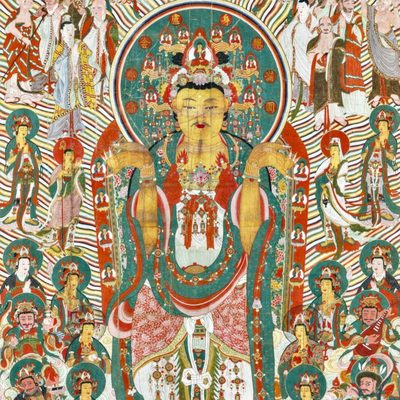
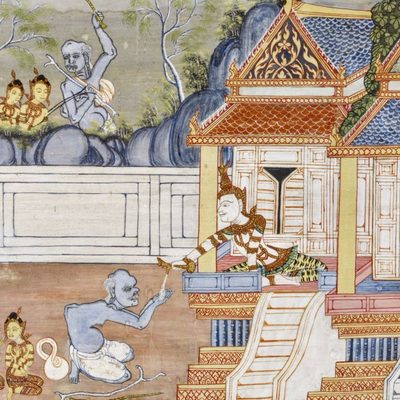
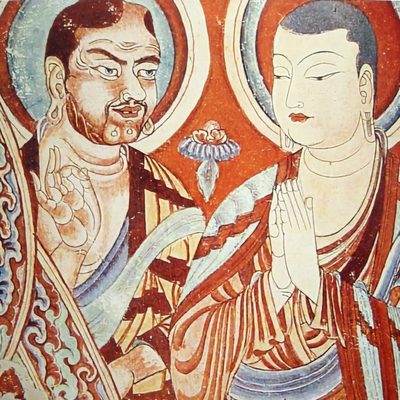
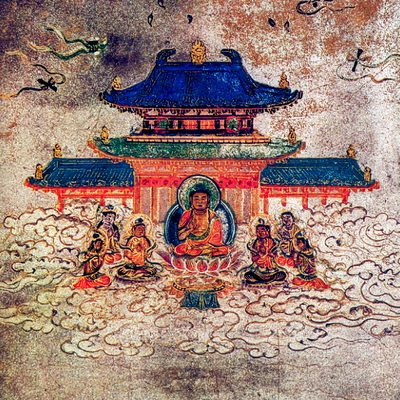
Buddhist temples in East Asia have long served as vital centers of artistic production and preservation. Temple art is not merely decorative. It embodies doctrinal meaning, supports ritual activity, and conveys the cosmic structure of the Buddhist universe. Murals often cover the interior walls of temple halls, depicting jātaka tales, images of Buddhas and Bodhisattvas, guardian deities, and detailed cosmological diagrams. In China and Korea, wall paintings in cave temples and wooden halls combine narrative clarity with stylistic elegance, while Japanese temple murals reflect a refined aesthetic attuned to religious storytelling and visual contemplation.
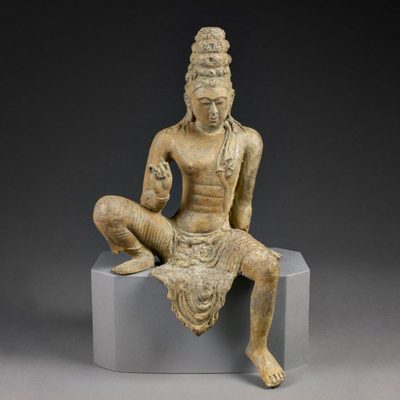
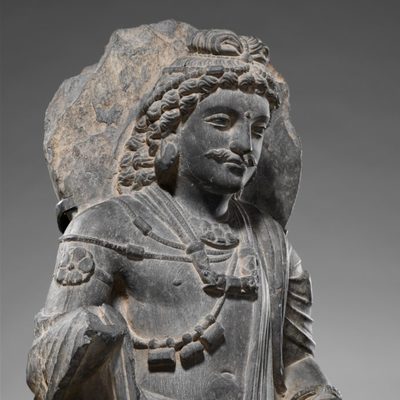
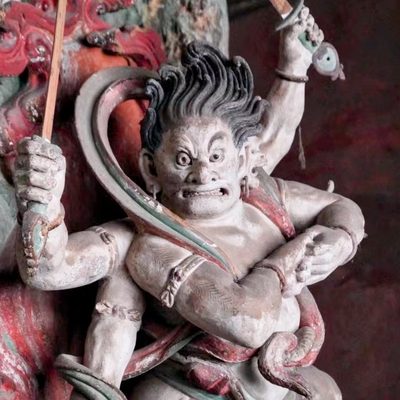
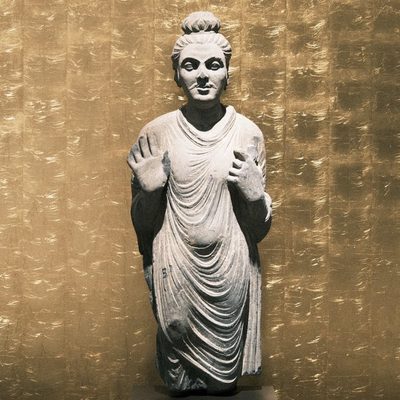
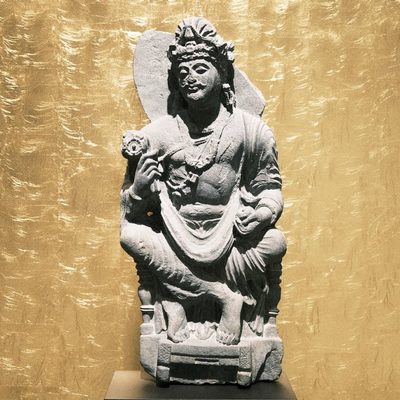
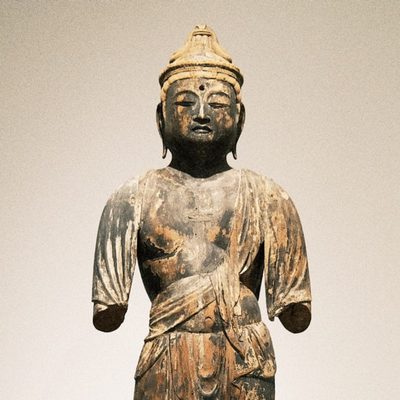
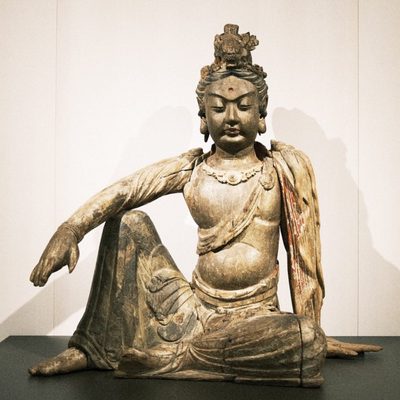
Statuary forms a focal point of devotion in temple architecture. Sculptures of the historical Buddha, Avalokiteśvara (Guanyin/Kannon), Maitreya, and other figures are enshrined in main halls, side chapels, and pagodas. These statues, ranging from colossal bronze figures to intricately carved wooden images, express regional iconographic traditions while adhering to pan-Buddhist conventions. Mandalas, particularly in esoteric traditions like Japanese Shingon and Korean milgyo, are used for ritual visualization and adorn altar backdrops or painted screens.
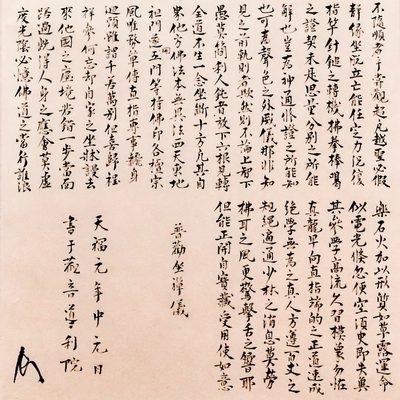
Calligraphy also occupies a prominent place in temple aesthetics. Inscriptions, scripture excerpts, and aphorisms are brushed in stylized characters and mounted on scrolls, doors, and columns. Calligraphy is both an art form and a devotional act, emphasizing the connection between written Dharma and aesthetic expression.
Scriptural and literary production
Buddhist temples in East Asia have historically functioned as centers for scriptural copying, translation, and literary innovation. One of the most monumental undertakings was the compilation and preservation of the Buddhist canon, the Tripiṭaka, transmitted and reformatted in each region. In China, the Sūtra Translation Bureau oversaw the rendering of Indian texts into Chinese, resulting in canonical collections like the Taishō edition. In Korea, the Goryeo Dynasty produced the Tripitaka Koreana, a woodblock-printed canon carved into over 80,000 wooden blocks, now housed at Haeinsa Monastery.
The advent of woodblock printing further enabled the mass dissemination of Buddhist texts. Temples operated printing presses and scriptoria, producing not only canonical works but also commentaries, liturgical guides, and popular devotional texts. These were often illustrated with woodcut imagery, linking textual and visual literacy.
In addition to scriptural transmission, temples nurtured literary culture. Monks and nuns composed poems, travelogues, doctrinal treatises, and biographical records. In Japan, figures like Kūkai and Saigyō bridged the roles of monk, poet, and calligrapher, while in Vietnam, Buddhist literature flourished in both classical Chinese and vernacular Nôm scripts.
The integration of artistic and literary production into the temple environment underscores the role of Buddhist institutions as guardians not only of religious practice but also of East Asia’s broader intellectual and aesthetic heritage.
Comparative perspectives
While Buddhist temples across East Asia stem from shared doctrinal and architectural lineages, they exhibit a striking range of regional forms and functions that reflect their respective cultural, historical, and environmental contexts. Despite this diversity, certain architectural principles, such as axial alignment, symbolic spatial hierarchy, and integration of sacred imagery, provide a structural and conceptual unity that spans national boundaries.
The interplay of common principles and local adaptation is evident in how temple layouts were reinterpreted through indigenous aesthetics, religious syncretism, and material traditions. Chinese temples emphasize axial symmetry and large-scale courtyard planning aligned with Confucian and imperial spatial ideologies. Korean temples integrate geomantic principles and natural landscapes, creating organic and contemplative monastic environments. Japanese temple design reflects aesthetic minimalism and Zen influence, while Vietnamese temples reveal a layered synthesis of Chinese models and local vernacular forms.
Cross-cultural transmission further enriched regional developments. For instance, Tang dynasty Chinese prototypes significantly shaped early temple architecture in Korea and Japan, while later Japanese Zen and Vietnamese Thiền schools developed distinct ritual and spatial expressions rooted in earlier Mahāyāna forms. These interactions highlight how East Asian temple traditions emerged through a blend of transmission, innovation, and mutual influence, rather than through linear inheritance alone.
Taken together, the Buddhist temple tradition in East Asia illustrates how a shared religious architecture can manifest in diverse cultural expressions — each rooted in local history yet contributing to a transregional Buddhist heritage.
Conclusion
The Buddhist temple tradition in East Asia stands as a compelling example of cultural continuity and transformation. While initially imported from India, the temple evolved in each regional context into a complex and responsive institution — shaped by native religious systems, political structures, artistic aesthetics, and social needs. From the axial courtyards of Chinese monastic centers to the geomantic placements of Korean mountain temples, the contemplative Zen gardens of Japan, and the hybrid architectural forms of Vietnamese shrines, the East Asian Buddhist temple became an adaptable framework for religious life.
These temples were never static monuments; they were dynamic centers of ritual practice, doctrinal transmission, artistic creation, and communal interaction. Their resilience in the face of political upheaval, religious reform, and modernization attests to their embeddedness within the societies of East Asia. Even today, Buddhist temples continue to function as vital institutions, whether as places of worship, pilgrimage destinations, cultural heritage sites, or community anchors.
As embodiments of the localization of Buddhism, East Asian temple traditions invite reflection on how religious forms are preserved, adapted, and rearticulated over time. They remain central not only to the historical study of Buddhism, but to its living presence across China, Korea, Japan, and Vietnam.
References and further reading
- Steinhardt, Nancy Shatzman, Chinese traditional architecture, 1984, China Institute in America, ISBN: 978-1131320113
- Steinhardt, Nancy Shatzman, Chinese Architecture: A History, 2019, Princeton University Press, ISBN: 978-0691169989
- Lee, Ki-baik, A new history of Korea, 1988, Harvard University Press, ISBN: 978-0674615762
- Grapard, Allan G., The protocol of the gods: A study of the Kasuga cult in Japanese history, 1992, University of California Press, ISBN: 978-0520070974
- David Young, The Art of Japanese Architecture: History, Culture, Design, 2019, Tuttle Publishing, ISBN: 978-4805315040
- Taylor, Philip, Modernity and re-enchantment: Religion in post-revolutionary Vietnam, 2008, Lexington Books, ISBN: 978-0739127391
- Wang, Eugene, Shaping the Lotus Sūtra: Buddhist visual culture in medieval China, 2007, University of Washington Press, ISBN: 978-0295986852
- Buswell, Robert E., The Korean approach to Zen: The collected works of Chinul, 1983, University of Hawaii Press, ISBN: 978-0824807856
- Faure, Bernard, The rhetoric of immediacy: A cultural critique of Chan/Zen Buddhism, 1994, Princeton University Press, ISBN: 978-0691029634
- Heinrich Dumoulin, Geschichte des Zen-Buddhismus, Band 1+2, 2019, 2., durchgesehene und erweiterte Auflage, Francke A. Verlag, ISBN: 9783772085161
- Hans-Günter Wagner, Buddhismus in China: Von den Anfängen bis in die Gegenwart, 2020, Matthes & Seitz Berlin, ISBN: 978-3957578440










comments